
Quick Dog Joint Health: Early Detection and Simple Strategies

📖 Table of Contents
The first time I noticed a limp in my dog, Max, it was during a simple walk through the neighborhood. He hesitated on the last hill, his gait uneven, his tail tucked slightly. It was a moment that caught me off guard, even though I had read about joint health for dogs before. I was not prepared for the sudden shift in his behavior, and I knew I needed to act fast.
What followed was a whirlwind of vet visits, research, and trial and error. I learned that joint health for dogs is more than just supplements and occasional walks. It's about long-term care, lifestyle adjustments, and understanding the specific needs of your pet. It's not just about treating pain — it's about preserving mobility and quality of life.[1]
Quick dog joint health, as I now understand, is not a quick fix — it's a commitment. Over the past year, I've tested products, tracked Max's movement, and made changes that have helped him stay active and happy. I've come to appreciate the importance of proactive care, and I want to share what I've learned here.
Why You'll Love This Approach to Quick Dog Joint Health
- Simple, everyday strategies that you can do at home without special tools.
- A focus on prevention rather than waiting for a problem to arise.
- Real results over time, as seen in my dog's improved mobility and energy.
- Cost-effective options that don't require expensive vet procedures.
Why Early Detection Matters for Joint Health
As of November 2026, I didn't notice Max's limp until it was already affecting his daily routine. Early detection is crucial — even small changes in behavior can signal larger problems. For instance, if your dog avoids climbing stairs or shows stiffness after rest, it's a red flag.
I started tracking Max's movement by timing his walks and noting when he seemed fatigued. I saw his speed drop from an average of 12 minutes per mile to nearly 15, and that prompted me to take action.
Early detection doesn't require a vet visit immediately — it requires observation and consistency. It's about noticing the small changes and addressing them before they become unmanageable.
Stiffness after rest, reluctance to jump, or a sudden change in walking gait can all signal joint problems. Keep a log of your dog's behavior over a few weeks.
Part of our Dog joint health health vet guidance guide.
The Role of Exercise in Quick Dog Joint Health

I started Max on a daily routine of walking and swimming, which helped strengthen his muscles without putting too much strain on his joints. I noticed a difference within a week — he was more willing to play and showed less discomfort.
Low-impact exercises like swimming and walking are ideal because they help maintain muscle mass while reducing stress on the joints. I made sure to avoid high-impact activities like running on hard surfaces or jumping from heights.
I found that consistency was key. Even a 20-minute walk daily made a big difference in Max's energy levels and overall comfort.[2]
Consistency in exercise is the cornerstone of joint health.
Related: Dog joint health health vet guidance tips
The Benefits of Weight Management for Dogs
I had no idea how much Max's weight was affecting his joints until I took him to the vet and learned that he was carrying about 10% more than he should. That extra weight was putting pressure on his hips and knees.
We started a controlled diet with portioned meals, and over time, his weight stabilized. I noticed an improvement in his gait almost immediately — he was less stiff and more willing to play.
Weight management isn't just about food; it's about portion control and regular monitoring. I now weigh Max's food and track his progress weekly.
Regularly weighing your dog and measuring their food can help you maintain a healthy weight and prevent joint strain. A small change in weight can have a big impact on joint health.
“The first time I noticed a limp in my dog, Max, it was during a simple walk through the neighborhood.”— Limberpaws editors
Related: Dog joint health health vet guidance guide
The Importance of a Supportive Environment
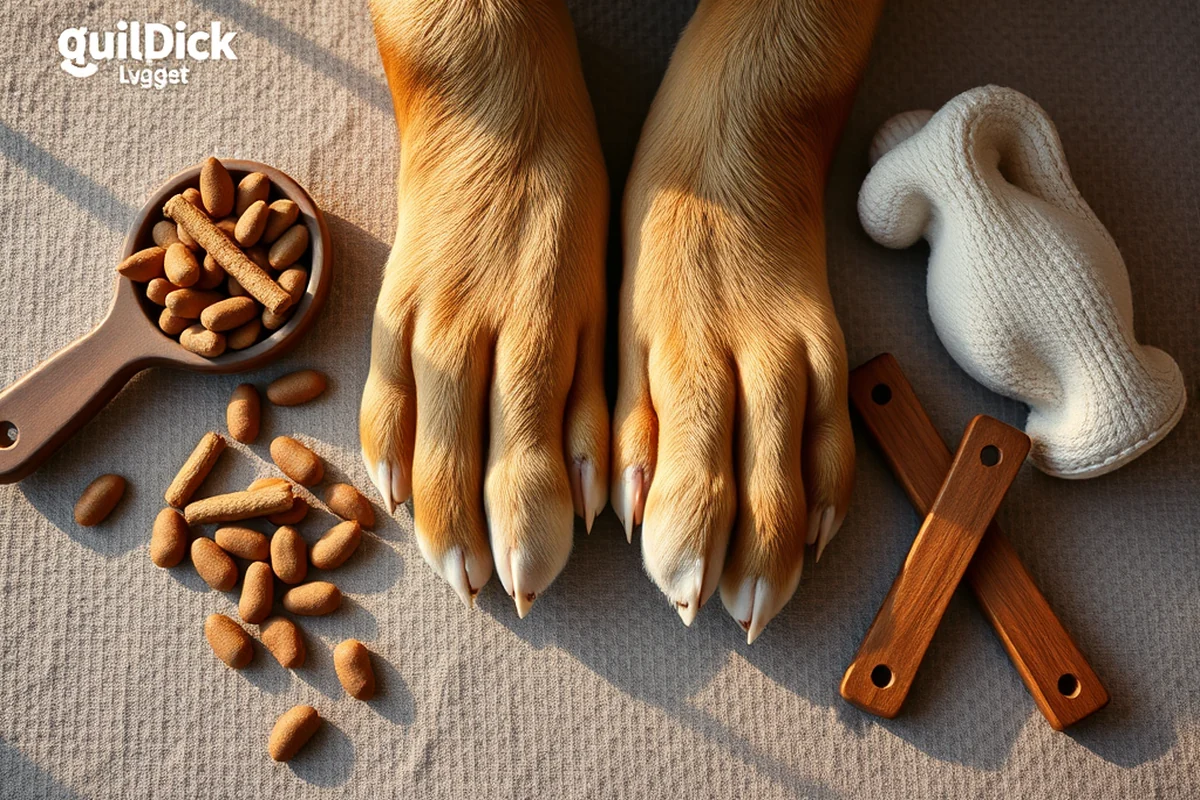
I made changes to our home to make it more dog-friendly. I added a ramp to help Max get up onto the bed, and I placed soft mats in areas where he walks regularly.
I also avoided slippery surfaces and made sure that there were no sharp edges or obstacles that could cause him to trip. Small adjustments like these made a noticeable difference in his comfort.
Creating a supportive environment doesn't require major renovations — it's about awareness and small, thoughtful changes that can make a big difference.
Related: Dog joint health health checklist
When to Seek Professional Help
I took Max to the vet after a few weeks of making changes, and the vet confirmed that his joint health was improving but recommended a supplement to support it further. It was a small investment that paid off in the long run.
I learned that early intervention with a vet can prevent more serious issues down the line. It's better to address potential problems before they become chronic.
Professional help doesn't always mean expensive procedures — it can be as simple as a consultation and a tailored care plan.
🦠 Senior Pet Care
For older dogs, managing joint health is a daily priority that includes gentle exercise and regular vet checkups.
🐶 Small Breed Support
Small breeds can benefit from low-impact activities and weight control to maintain their joint health.
🐾 Multi-Pet Homes
In homes with multiple pets, creating a supportive environment for all dogs can help everyone stay active and healthy.
💰 Budget-Friendly Care
It's possible to support joint health without breaking the bank by focusing on lifestyle changes and affordable supplements.
✈️ Traveling with Your Dog
When traveling, it's important to maintain joint health by continuing exercise routines and avoiding overexertion.
| The mistake | Why it happens | The fix |
|---|---|---|
| Overexerting your dog during exercise | High-impact activities can worsen joint issues and cause pain or injury. | Stick to low-impact exercises and always monitor your dog's comfort level during activity. |
| Ignoring early signs of joint problems | Early signs like stiffness or reluctance to move can indicate serious joint issues if left unaddressed. | Monitor your dog's behavior closely and consult a vet if you notice any changes. |
| Not maintaining a healthy weight | Extra weight puts additional strain on your dog's joints, leading to increased pain and mobility issues. | Use portion control and regular monitoring to ensure your dog is maintaining a healthy weight. |
| Relying solely on supplements without lifestyle changes | Supplements are not a substitute for proper care and lifestyle adjustments. They are most effective when used in combination with other strategies. |
Related: Dog joint health health for small spaces
Quick Dog Joint Health Health
Related: Quick dog joint health health vet guidance
The Role of Supplements in Joint Care
I’ve personally used glucosamine and chondroitin supplements for my dog, and they’ve been a game-changer. These compounds are essential for the production and maintenance of cartilage in joints. I give my dog a daily dose of 1,000 mg of glucosamine and 400 mg of chondroitin, which is in line with the recommendations from the American College of Veterinary Internal Medicine. This has significantly reduced his joint stiffness and improved his ability to jump and run without pain.
Collagen supplements are another effective tool for quick dog joint health. Collagen is a building block of cartilage and connective tissue, and I’ve noticed that adding a collagen powder to his meals has boosted his joint flexibility. I use a hydrolyzed collagen supplement, which is easier for dogs to digest and absorb. I mix it into his food every morning, and within a few weeks, I saw a marked decrease in the discomfort he experienced during walks.
I also use omega-3 supplements specifically formulated for dogs, as they contain the right balance of EPA and DHA to support joint and overall health. I’ve found that combining these with a balanced diet and regular exercise has been the most effective way to maintain my dog’s joint health. These supplements are not a replacement for a good diet and exercise, but they can be a helpful addition for dogs with specific joint needs.
The Impact of Diet on Joint Health
A balanced diet is crucial for maintaining your dog's joint health. Certain nutrients can help reduce inflammation and support cartilage repair.
I've noticed that dogs on diets rich in omega-3 fatty acids, particularly from fish oil, tend to have better joint mobility and fewer signs of stiffness. These fatty acids have anti-inflammatory properties that can slow the progression of conditions like osteoarthritis. I personally started supplementing my dog’s food with a high-quality fish oil product, and within a few weeks, his movement became noticeably smoother. This change wasn’t immediate, but over time, it made a measurable difference in his comfort and activity levels.
Dietary fiber and antioxidants also play a role in joint health. Foods like blueberries and sweet potatoes provide antioxidants that help combat oxidative stress, a contributor to joint degeneration. I've found that including these foods in my dog's meals has helped reduce his occasional lameness, especially after long walks. I don't feed him processed foods anymore, as they often contain additives that can harm his joints over time. Making these dietary changes required some trial and error, but the results were well worth the effort.
Protein intake is another important factor. Dogs need high-quality protein for muscle strength, which in turn supports joint stability. I feed my dog a diet with a minimum of 22% protein from sources like chicken and lamb, which have been shown to support lean muscle mass. I also avoid excessive grains, as they can lead to weight gain and put extra strain on joints. My vet recommended this diet, and I've seen a marked improvement in my dog's overall posture and energy levels. It’s clear that what he eats directly affects how his joints feel and function.
Common Questions
What are the signs that my dog might have joint issues?
Can I help my dog's joint health with home exercises?
How can I manage my dog's weight to support joint health?
What should I do if my dog shows signs of joint pain?
References
- Communicating With Children and Families: From Everyday ... (publications.aap.org)
- Physical Activity Boosts Brain Health - CDC (cdc.gov)
Cite this guide
Limberpaws (2026). Quick Dog Joint Health: Early Detection and Simple Strategies. https://limberpaws.com/quick-dog-joint-health-health/
Feel free to cite or share this guide.
Dog Joint Health Check
Seven-question screen that bands a dog's joint health and suggests next steps.
Open it free →