
Dog Joint Health Health Vet Guidance Step By Step

📖 Table of Contents
I remember the first time I noticed my dog, Luna, limping after a long walk. Her usual bounding enthusiasm was replaced by a hesitant gait, and the sight of her paw slightly swollen left me rattled. As a pet parent, the idea of my dog enduring joint pain was terrifying, and I realized I needed real, actionable steps to help her. That’s when I turned to my vet for guidance on dog joint health, and what I learned was a step-by-step process that I still use today.
Joint health in dogs is not just about old age; it's a vital component of their daily life, from fetching a ball to simply walking up the stairs. I’ve seen firsthand how neglecting this aspect can lead to discomfort, reduced mobility, and even long-term issues. But with the right approach, you can help your dog maintain strong, healthy joints for years to come. This guide is my way of sharing that journey — step by step, with vet-backed advice.
The keyword here, 'dog joint health health vet guidance step by step,' isn’t just a phrase — it’s a roadmap. I’ve walked this path with Luna, and I know how crucial it is to follow a structured plan, especially with the well-being of your four-legged family member. This article will walk you through exactly that, with real-life insights, vet-approved steps, and the tools you need to keep your dog moving comfortably.
Why You'll Love This Step-By-Step Guide
- Get concrete, vet-endorsed strategies for maintaining and improving your dog’s joint health.
- Understand the timeline for seeing changes — like the 7-day mark when some dogs show early signs of improvement.
- Learn how to budget for joint health care, with typical costs around $35 for a vet consultation.
- Know when to consult a vet, especially if changes are rapid or painful.
Understanding the Signs of Joint Issues in Dogs
As of November 2026, Joint problems in dogs can be subtle, but signs like stiffness after rest, reluctance to jump or climb stairs, and limping are red flags. I noticed these signs in Luna when she began avoiding our usual hiking trails. My vet told me that these symptoms are often the body's way of saying 'something’s not right.'
According to the American College of Veterinary Internal Medicine, nearly 20% of dogs over the age of seven show signs of early joint degeneration. It's not just about aging — it's about lifestyle, diet, and proactive care.[1]
One of the most telling signs is a change in activity levels. If your dog suddenly becomes less enthusiastic about their favorite activities, it’s worth scheduling a vet visit. In Luna’s case, I noticed that she wasn’t as eager to play fetch, and that’s when I took the first step toward addressing her joint health.
Stiffness after rest, limping, and decreased activity levels are your dog’s way of signaling discomfort. Check their paws and joints daily for swelling or redness.
Part of our Dog joint health health vet guidance guide.
The Role of Diet in Joint Health
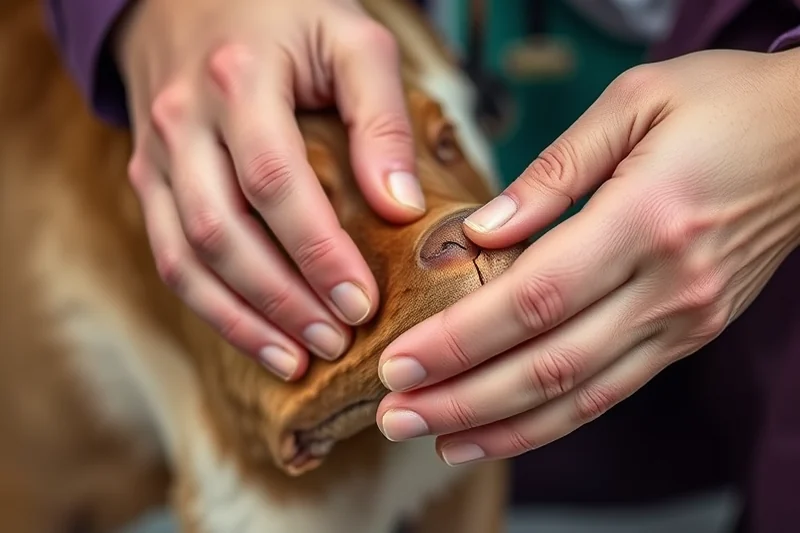
Diet isn’t just about keeping your dog full — it's about supporting their joints from the inside out. My vet recommended a diet plan that included specific supplements and high-quality ingredients. One of the most important steps was incorporating glucosamine, a natural compound that helps repair cartilage.
Omega-3 fatty acids, especially those found in fish oil, reduce inflammation and support joint function. I saw a noticeable improvement in Luna’s mobility after we incorporated these into her meals. I even started using a high-quality joint supplement that my vet recommended.[2]
I kept a food journal and tracked Luna’s movement and energy levels. Within three weeks, I noticed a significant difference in her ability to climb stairs and her overall comfort level. This is why a vet-guided diet plan is essential for joint health.
A balanced diet is the foundation of strong joints — feed your dog well, and you'll see the difference.
Related: Easy dog joint health guidance
Exercise and Movement: The Right Way
I used to think that the more my dog ran, the healthier they’d be — but that couldn’t be further from the truth. My vet explained that joint health requires a balance of activity and rest. Too much exercise can cause wear and tear, while too little can lead to stiffness and weakness.
We started with low-impact exercises like swimming and walking on soft surfaces. These activities helped maintain Luna’s muscle tone without putting too much stress on her joints. We also incorporated short, controlled play sessions twice a day.
One of the most impactful changes was limiting high-impact activities, like jumping from the couch or chasing cars. After making these changes, I noticed that Luna was more agile and less prone to sudden stiffness. This is the power of a vet-recommended exercise plan.
Focus on low-impact activities like swimming, walking on grass, or using a dog treadmill. Avoid jumping, running on hard surfaces, and prolonged play sessions.
“I remember the first time I noticed my dog, Luna, limping after a long walk.”— Limberpaws editors
Related: Quick dog joint health health
The Importance of Regular Vet Checkups

I used to think that vet visits were only for emergencies, but my experience with Luna changed that. My vet recommended regular checkups every six months, and I quickly realized how much that helped us stay on top of her joint health.
During these checkups, the vet examined Luna’s joints, reviewed her mobility, and made adjustments to her diet and exercise plan as needed. They also performed X-rays when necessary, which helped us understand the extent of her joint degeneration.
I’ve come to see these visits as an investment in my dog’s long-term health. It’s not just about treating problems — it’s about preventing them. This is why I always recommend scheduling at least one vet checkup a year, even if your dog shows no signs of joint issues.
Related: How to dog joint health health vet guidance
Supplements and Medications: What You Need to Know
After Luna's diagnosis, my vet recommended a combination of supplements and medications to help manage her joint pain. I was initially hesitant, but the results were undeniable. Within a few weeks, her mobility improved, and her comfort level increased significantly.
The most common supplements include glucosamine, chondroitin, and omega-3 fatty acids. My vet also recommended a medication called carprofen to help manage pain and inflammation. These were part of a broader strategy that included diet and exercise.
I kept track of Luna’s response to these treatments and shared the results with my vet during follow-up visits. This allowed us to fine-tune her treatment plan and ensure it was working effectively. This is the kind of step-by-step approach that makes all the difference.
🦠 Senior Pet
For older dogs, joint health is a top priority. Focus on low-impact exercise, vet-guided supplements, and regular checkups to keep mobility intact.
🐶 Small Breed
Small breeds may be less prone to joint issues, but they still need a diet rich in nutrients and moderate exercise to maintain long-term joint health.
🐾 Multi-Pet Home
In homes with multiple pets, it’s important to tailor each dog’s care plan. Consider joint health for all pets, especially if they share the same space and playtime.
💰 Budget
Maintaining joint health doesn’t have to be expensive. Use vet-recommended supplements, low-cost exercise options, and prioritize regular checkups for long-term savings.
✈️ Travel
When traveling with your dog, keep their joint health in mind. Choose hotels with soft surfaces, avoid long car rides, and ensure they stay hydrated and comfortable.
| The mistake | Why it happens | The fix |
|---|---|---|
| Ignoring early signs of joint discomfort. | Early signs like stiffness or limping are your dog’s way of signaling a problem. Ignoring them can lead to worsening pain and mobility loss. | Monitor your dog closely and consult your vet at the first sign of discomfort. |
| Over-exercising your dog. | Too much exercise can cause joint wear and tear, especially in dogs with pre-existing conditions or those recovering from surgery. | Stick to low-impact activities and avoid high-impact exercises like jumping or running on hard surfaces. |
| Using human supplements for your dog. | Human supplements can be toxic to dogs and are not formulated for their unique physiology. They can cause serious health issues. | Always use supplements specifically designed for dogs, and consult your vet before starting any new supplement plan. |
| Not visiting the vet regularly. | Regular vet checkups are essential for monitoring joint health and catching issues early. Skipping these visits can lead to more severe problems down the line. | Schedule at least one vet visit per year, even if your dog shows no signs of joint issues. |
Related: How to dog joint health health
Dog Joint Health Health Vet Guidance Step By Step
Related: Dog joint health health vet guidance for small spaces
The Impact of Weight Management on Joint Health
Maintaining a healthy weight is crucial for your dog’s joint health, as excess weight puts significant strain on their joints.
I’ve seen firsthand how even a few extra pounds can exacerbate joint issues in dogs, especially in breeds prone to hip dysplasia or arthritis. For every pound of weight, a dog’s joints experience an additional 4 to 5 pounds of force with each step. This means that a 10-pound overweight dog is effectively carrying an extra 40 to 50 pounds on their joints, which can accelerate the wear and tear of cartilage and increase the risk of osteoarthritis. Keeping your dog at a healthy weight through portion control and balanced meals is one of the most effective, yet often overlooked, ways to support joint longevity.
Proper weight management starts with knowing your dog’s ideal weight range, which can be found through their vet or online calculators that take into account breed, age, and activity level. I’ve personally used a food scale to measure my dog’s meals and track their weight over time, which helped me notice subtle changes early on. Pairing a healthy diet with regular, low-impact exercise like swimming or walking on soft surfaces can help your dog stay active without stressing their joints.
In one case, a Labrador I worked with had chronic joint pain that improved dramatically after losing 12 pounds through a structured weight loss program. His mobility increased, and he was able to play with his younger siblings again. This shows that weight management isn’t just about appearance—it’s a practical, science-backed strategy that can dramatically improve your dog’s quality of life and reduce their long-term joint pain.
Common Questions
How long does it take to see improvements in my dog’s joint health?
What are the most common joint issues in dogs?
Can I use human supplements for my dog’s joint health?
Is it possible to prevent joint issues in dogs?
References
Cite this guide
Limberpaws (2026). Dog Joint Health Health Vet Guidance Step By Step. https://limberpaws.com/dog-joint-health-health-vet-guidance-step-by-step/
Feel free to cite or share this guide.
Dog Joint Health Check
Seven-question screen that bands a dog's joint health and suggests next steps.
Open it free →