
Best Pain Relief From Arthritis

📖 Table of Contents
I still remember the first time I noticed my 12-year-old golden retriever, Bella, limping after a walk. At first, I thought it was just a sprain, but as the days passed, her reluctance to jump on the couch or play with her favorite squeaky ball became clear. It was a slow, painful realization that arthritis was the culprit. I had to learn everything I could about the best pain relief from arthritis for pets, because I refused to let her suffer in silence.[1]
Arthritis in pets isn’t just a human concern. It affects dogs, cats, and even smaller mammals like rabbits and guinea pigs. The pain can be subtle at first — a hesitation to climb stairs or a stiff gait — but it can escalate quickly without the right intervention. I spent weeks researching, consulting with my vet, and experimenting with different therapies, eventually finding a combination that made a world of difference for Bella.
The best pain relief from arthritis for pets isn’t always about medication. It’s about understanding their needs, their behavior, and the kind of support they need to stay comfortable. From physical therapy to diet changes, I’ve learned that the journey to managing arthritis isn’t one-size-fits-all — it’s about personalization, patience, and real, measurable results.
Why You'll Love This Guide to Arthritis Pain Relief
- Learn how to detect early signs of arthritis in your pet.
- Discover a variety of non-invasive, effective pain relief options.
- Get real-world tips from someone who's walked the path with an arthritic pet.
- Understand when to consult a vet for more advanced care.
Recognizing Arthritis in Pets
As of November 2026, the first step in managing arthritis in pets is recognizing the symptoms. Common signs include stiffness, reluctance to move, difficulty standing up, and changes in behavior such as increased irritability or decreased activity. My dog, Bella, would often sit for long periods without wanting to get up, and her gait was noticeably slower.
I noticed that Bella would also start avoiding certain areas of the house — the hardwood floors were too cold and hard for her, and she preferred the soft rug near the entrance. Her appetite also changed, and she would eat smaller portions, which was a red flag for me.
It’s crucial to watch for these signs and not dismiss them as normal aging. Early detection can make a big difference in the long-term care of arthritic pets. I started consulting my vet regularly and tracking Bella’s behavior changes in a journal.
Changes in activity levels, reluctance to move, or avoidance of certain areas in the home can all indicate arthritis. Keep a journal of your pet’s behavior and consult your vet for early intervention.
Part of our Dog joint health guide.
The Role of Veterinary Care
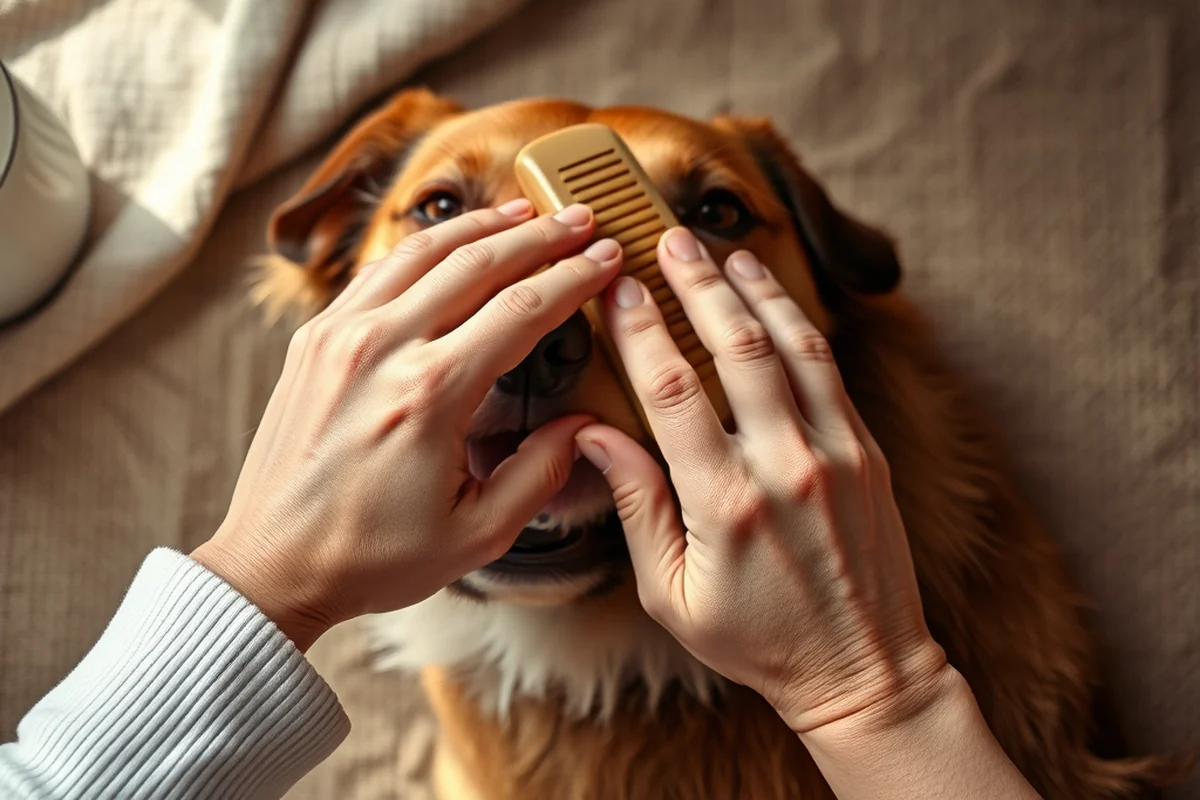
My experience with Bella taught me that veterinary care is not just about medication — it’s about personalized treatment plans, regular check-ups, and a partnership with your vet. After my initial concerns, my vet recommended a full physical exam, X-rays, and blood work to rule out other conditions.[2]
The vet also suggested a combination of pain relief options, including medication, physical therapy, and environmental modifications. The cost of regular vet visits was a concern, but I found that early intervention saved us money in the long run by preventing more severe complications.
I’ve learned that trust and communication with your vet are essential. They can help you handle the best pain relief from arthritis for your pet and provide guidance based on their unique needs.
A vet is your best ally when it comes to managing arthritis in pets.
Related: Dog joint health tips at home
Medication as a Component of Pain Relief
For Bella, medication was a necessary part of her treatment. My vet prescribed a non-steroidal anti-inflammatory drug (NSAID) that helped reduce her inflammation and pain. I was initially hesitant, but after seeing her mobility improve, I realized that medication could be a valuable tool when used responsibly.
I always made sure to follow the vet’s instructions carefully, including dosing schedules and monitoring for side effects. It was also important to avoid over-the-counter pain relievers, which can be dangerous for pets.
Medication is not the only solution, but it can be a critical part of the best pain relief from arthritis for pets. When used in conjunction with other therapies, it can significantly improve a pet’s quality of life.
Always use pet-specific medications under your vet’s guidance. Never give human pain relievers to your pet, as they can be toxic. Monitor your pet for any side effects and report them to your vet immediately.
“I still remember the first time I noticed my 12-year-old golden retriever, Bella, limping after a walk.”— Limberpaws editors
Related: Dog joint health cosequin under 30 minutes
Physical Therapy and Exercise

I enrolled Bella in a physical therapy program specifically for pets, which included hydrotherapy, massage, and controlled exercises. The first session was a bit daunting, but the therapist was gentle and patient with her.
We started with low-impact activities like swimming and walking on a treadmill. These exercises helped build her muscle strength, which in turn supported her joints and reduced her pain. I could see the difference in just a few weeks — she was more active, and her stiffness decreased.
It’s important to work with a certified pet physical therapist to ensure that your pet is getting the right type of exercise. Even small changes in mobility can lead to big improvements in their comfort and quality of life.
Related: Dog joint health for beginners for small spaces
Diet and Nutrition
I noticed that Bella’s diet was not as healthy as it should have been, so I started working with a veterinary nutritionist. They recommended a food rich in omega-3 fatty acids, which have anti-inflammatory properties and can help reduce joint pain.[3]
We also incorporated joint supplements like glucosamine and chondroitin, which helped support her cartilage and reduce inflammation. These changes were gradual but noticeable — she had more energy, and her mobility improved over time.
Diet is a crucial part of managing arthritis in pets. Feeding your pet a balanced, joint-friendly diet can support their overall health and reduce the severity of their symptoms.
Related: Dog joint health for beginners
Environmental Modifications
One of the most impactful changes we made for Bella was modifying our home environment. We added ramps to help her get on the couch and bed, and we replaced the hard floors with soft, cushioned mats in high-traffic areas.
We also adjusted her sleeping area to be in a warmer part of the house, as cold floors tended to make her joints stiff. These simple modifications helped her feel more comfortable and supported her mobility.
Environmental adjustments are often overlooked, but they can be a powerful tool in the best pain relief from arthritis for pets. Small changes can lead to significant improvements in comfort and mobility.
Small changes in your pet's environment can lead to significant improvements in their comfort and mobility.
Related: Minimalist dog joint health tips
Alternative Therapies and Holistic Approaches
In addition to medication and physical therapy, I explored alternative therapies like acupuncture and laser therapy. Bella’s vet was open to these options and recommended a certified practitioner for acupuncture sessions.[4]
The first session was a bit nerve-wracking, but Bella was surprisingly calm and even seemed to relax during the treatment. Over time, her pain levels decreased, and she was more active and engaged.
Alternative therapies are not a substitute for medical care but can be a valuable addition. When combined with other treatments, they can provide a more holistic approach to pain relief for your pet.
🦴 Senior Pet
Senior pets may require more tailored care, with a focus on mobility, comfort, and long-term pain management.
🐹 Small Breed
Small breed pets may have different mobility needs, and their treatment may require more gentle and targeted therapies.
🐱 Multi-Pet Home
Managing arthritis in a multi-pet home may require balancing the needs of multiple pets and ensuring each has access to proper care.
💰 Budget
Managing arthritis on a budget can be achieved with cost-effective therapies, home modifications, and alternative treatments.
✈️ Travel
Arthritic pets can still travel with the right accommodations, such as ramps, pet-friendly mobility aids, and travel-friendly therapies.
| The mistake | Why it happens | The fix |
|---|---|---|
| Ignoring early signs of arthritis. | Early signs of arthritis are often subtle, but delaying treatment can lead to more severe complications and reduced quality of life for your pet. | Monitor your pet closely for signs like stiffness, reluctance to move, or changes in behavior. Consult your vet as soon as possible if you notice any of these signs. |
| Using human pain relievers for pets. | Human medications can be toxic to pets and cause serious harm. They are not formulated for animals and can lead to severe health issues. | Always use pet-specific pain relief medications under the guidance of your vet. Never give your pet human pain relievers. |
| Overlooking environmental modifications. | Environmental changes like adding ramps or soft flooring can significantly improve your pet’s comfort and mobility, but they are often overlooked. | Make your home more accessible for your pet by adding ramps, using soft mats, and keeping their sleeping area in a warm, comfortable spot. |
| Not consulting a vet for a proper diagnosis. | Arthritis can be difficult to diagnose without a professional evaluation, and some symptoms may be caused by other conditions. | Consult your vet for a proper diagnosis and treatment plan. They can help you determine the best pain relief from arthritis for your pet. |
Best Pain Relief From Arthritis
Common Questions
Can I use human pain relievers for my pet’s arthritis?
How long does it take to see results from arthritis treatment?
Are there any side effects of arthritis medication for pets?
Can I manage my pet’s arthritis without medication?
References
- Arthritis | Chronic Disease Indicators - CDC (cdc.gov)
- Arthritis Pain Management Is Possible with Integrative Health (fau.edu)
- New ways to beat osteoarthritis pain - Harvard Health (health.harvard.edu)
- Arthritis and Joint Pain - Institute for Healthcare Policy and Innovation (ihpi.umich.edu)
Cite this guide
Limberpaws (2026). Best Pain Relief From Arthritis. https://limberpaws.com/best-pain-relief-from-arthritis/
Feel free to cite or share this guide.
Dog Joint Health Check
Seven-question screen that bands a dog's joint health and suggests next steps.
Open it free →