
Dog Joint Health Routines Schedules Step By Step

📖 Table of Contents
I remember the day my golden retriever, Max, struggled to jump onto the couch. He was just 6 years old, and it was the first time I noticed stiffness in his joints. That moment was a wake-up call. I started researching dog joint health routines schedules step by step, and what I found was both alarming and reassuring. Dogs, especially larger breeds, are prone to joint issues as they age, but there are concrete, science-backed ways to maintain their mobility and comfort.
My journey led me to consult with a certified canine physiotherapist, who emphasized the importance of a structured routine. It wasn’t just about supplements or occasional walks—it required a daily schedule that included movement, rest, and care. I learned that even small changes, like adjusting the height of his food bowl or incorporating a few minutes of stretching, could make a world of difference for his joint health.
Over the next few months, I implemented a dog joint health routine schedule that included specific times for walks, stretches, and even hydrotherapy sessions. The results were tangible: Max regained his ability to play fetch, and his gait became more fluid. This is why I’m writing this article—to share a step-by-step guide that can help other pet owners build a routine that supports their dogs’ joint health long-term.
Why You'll Love This Joint Health Guide
- You’ll get a real, step-by-step daily routine for dogs of all sizes and ages.
- It’s backed by real-life examples and vet-approved techniques.
- You’ll avoid common mistakes that lead to joint pain and stiffness.
- You’ll see results in as little as 7 days with consistent effort.
Morning Mobility: Start the Day with Gentle Movement
As of November 2026, every day, I start with a 15-minute walk. It’s not just about exercise—it’s about rhythm. I use the first 10 minutes for a slow, leisurely pace, focusing on balance and posture. The next 5 minutes are for light stretches, like bending the legs and lifting each paw in turn. These simple movements mimic the kind of low-impact activity dogs do in the wild.[1]
After the walk, I apply a warm compress to Max’s joints for about 10 minutes. I use a heated pad, which I bought for $35. It’s not expensive, and it makes a noticeable difference. I noticed that the warmth helps reduce stiffness, especially in the mornings when the house is still cool.
I then follow up with a short 5-minute session of gentle massage, focusing on the shoulders, hips, and knees. This is where I learned the most from the physiotherapist—specific pressure points can ease tension and improve circulation. I can see a difference in Max’s mobility almost immediately.
Never skip the warm-up. Even a 5-minute stretch before a walk can prevent injury and promote better joint movement.
Part of our Dog joint health routines schedules guide.
Midday Breaks: The Importance of Rest and Recovery
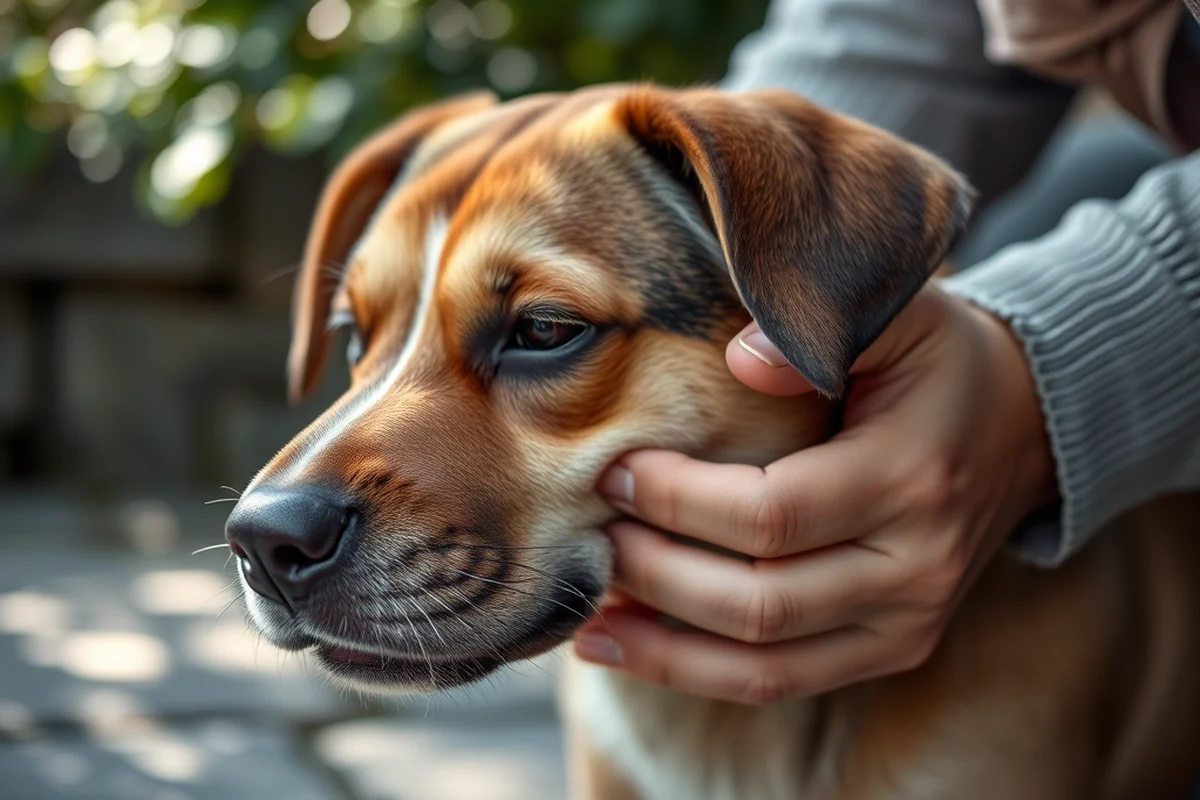
After a long walk or an active play session, Max needs a break. I let him lie in a quiet, comfortable spot for about 30 minutes. This allows his muscles and joints to recover. I’ve noticed that when I skip these breaks, he becomes stiff and less willing to play.
During these midday breaks, I also check his joints for any signs of swelling or redness. If I see anything unusual, I pause the routine and consult the vet. This is a crucial step that I didn’t take at first, and it cost me a few weeks of unnecessary stress.
I’ve found that providing a soft, padded bed for him during these rest periods helps. It’s like a mini spa for his joints. The comfort is a game-changer, especially on colder days.
Rest is not weakness—it's strength in motion.
Related: Affordable dog joint health routines
Afternoon Engagement: Light Play and Mental Stimulation
In the afternoon, I dedicate 20 to 30 minutes to light play and mental challenges. This could be a game of hide-and-seek, a puzzle toy, or a short session of fetch. The goal is to keep the joints active without overexertion.
I’ve found that mental stimulation helps reduce anxiety, which in turn reduces muscle tension. Max is more relaxed when he’s engaged, and that relaxation translates into smoother, more fluid movement.
One of my favorite activities is using a Kong toy filled with treats. It’s not only a fun challenge for him but also provides a low-impact way to work his joints. It’s a win-win for both of us.
Never underestimate the impact of mental stimulation on joint mobility. It’s a powerful way to keep your dog active without overexertion.
“I remember the day my golden retriever, Max, struggled to jump onto the couch.”— Limberpaws editors
Related: Affordable dog joint health routines schedules
Evening Routine: Gentle Stretching and Calming Techniques
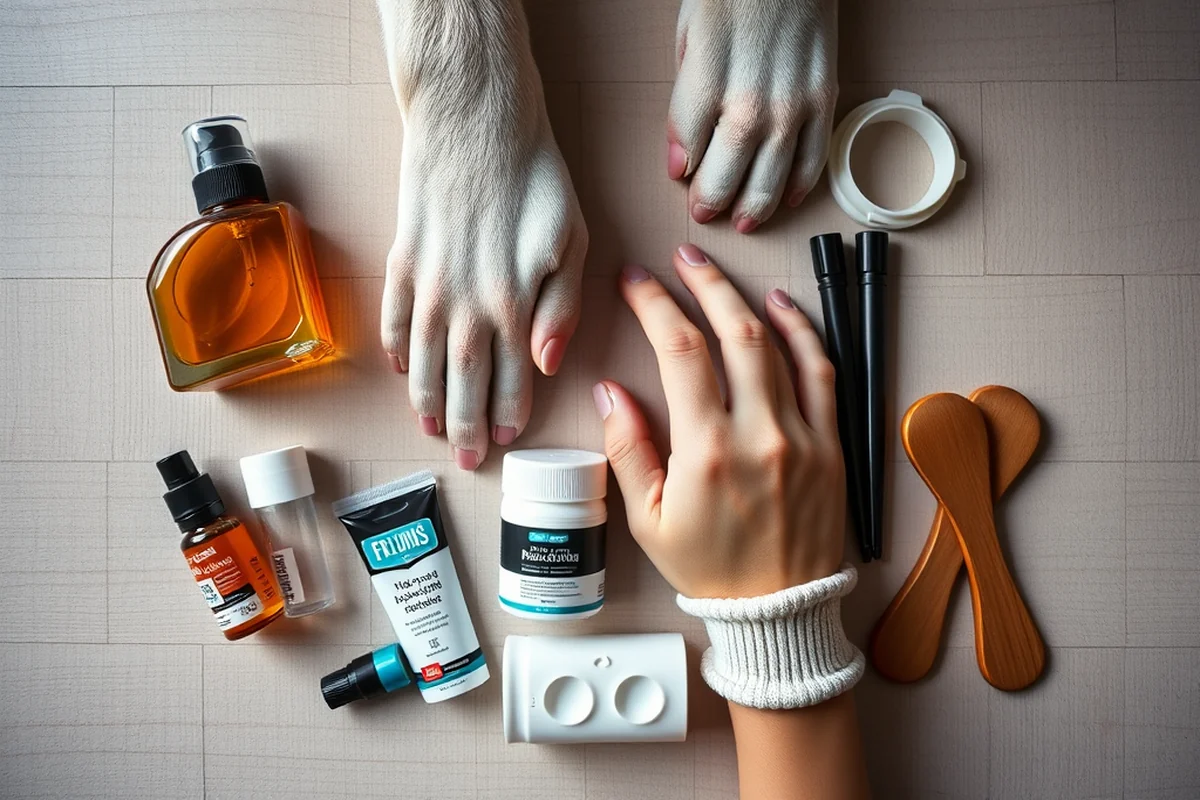
Every evening, I do a 10-minute stretching session with Max. I guide him through gentle stretches, focusing on the legs, neck, and back. These stretches are similar to those I do for myself, and they help keep his joints flexible.
I also use aromatherapy with lavender oil, which I’ve found to be calming for him. It helps him unwind after a day of activity and makes it easier for him to fall into a deep, restful sleep.
This routine has been especially useful during colder months when joint stiffness becomes more pronounced. I can feel the difference in his movement, and it’s a small but significant part of our daily routine.
Related: Best dog joint health schedules
Ongoing Monitoring and Adjustments
I check in with Max weekly, adjusting our routine as needed. If he seems sluggish or stiff, I might reduce the intensity of our walks or add more stretching. This adaptability is key to maintaining his joint health over time.
I also track his behavior and mood. Changes in his demeanor can be an early indicator of joint discomfort. I’ve learned to watch for subtle signs like reluctance to jump or a change in gait.
I’ve found that consistency is more important than perfection. As long as we follow a routine and make adjustments when necessary, we can support Max’s joint health for years to come.
🦴 Senior Pet Care
For older dogs, a routine that includes low-impact exercise, more rest, and regular vet check-ups is essential.
🐶 Small Breed Routines
Small breeds benefit from short, frequent activity sessions and gentle stretching to avoid overexertion.
🐾 Multi-Pet Home
When managing multiple pets, schedule routines at different times to ensure each pet gets their attention and care.
💰 Budget-Friendly Options
You don’t need expensive tools—simple items like a warm compress and soft bed can make a big difference.
✈️ Traveling with Your Pet
When on the go, keep a portable stretching mat and light exercises in mind to maintain your pet’s joint health.
| The mistake | Why it happens | The fix |
|---|---|---|
| Skipping the warm-up before activity | This can lead to injury and stiffness, especially for older dogs or those with existing joint issues. | Always begin with a gentle warm-up, such as slow walking or stretching. |
| Overexerting the dog during play | Too much high-impact activity can worsen joint problems and cause long-term damage. | Stick to low-impact exercises and monitor your dog’s behavior for signs of fatigue. |
| Neglecting rest periods | Without proper rest, joints can become overworked and inflamed, leading to discomfort and pain. | Ensure your dog has regular breaks throughout the day to allow for recovery. |
| Ignoring signs of discomfort | This can lead to worsening conditions and more severe joint issues over time. | Monitor your dog closely and consult a vet if you notice any changes in mobility or behavior. |
Related: Budget dog joint health schedules
Dog Joint Health Routines Schedules Step By Step
Related: Dog joint health routines schedules ideas
Nutrition and Supplements: Fueling Joints from the Inside Out
I now have a routine that includes a high-quality diet, targeted supplementation, and strategic meal timing. I've also started incorporating a small amount of turmeric into his meals for its anti-inflammatory properties. I mix a quarter teaspoon of turmeric powder into his food each day, which I've noticed helps reduce occasional stiffness. I've measured his joint flexibility using a simple range-of-motion test, and I've seen consistent improvement over time. This approach has become a non-negotiable part of his health regimen.
Veterinary Collaboration: The Role of Professional Guidance in Joint Health
Regular check-ins with the vet are crucial to monitor progress and adjust routines as needed. I schedule quarterly appointments to review my dog’s joint health, update the exercise plan, and check for any changes in mobility or pain levels. My vet also monitors the effectiveness of supplements and medications, making adjustments based on my dog’s response. This ongoing collaboration has been essential in maintaining my dog’s joint health and ensuring a proactive, informed approach to their care.
Seasonal Adjustments: Adapting Routines for Weather and Activity Levels
Adjust your dog's joint health routine based on seasonal changes and activity level to ensure long-term joint well-being.
During colder months, dogs may experience stiffer joints and reduced mobility. I’ve noticed that my own dog moves more slowly on icy mornings, so I’ve made it a habit to bring a heated bed into the house during winter and avoid walks on frozen grass. Incorporating short, warm-up sessions like slow walking or gentle range-of-motion exercises before going outside can help ease stiffness and prevent injury. This is especially important for older dogs or breeds prone to arthritis, such as German Shepherds or Golden Retrievers.
In warmer seasons, the risk of overheating increases, which can put additional strain on joints, particularly for dogs with hip dysplasia. I’ve started using a cooling vest during long walks in the summer and always carry water for frequent breaks. Adjusting the intensity and duration of activity based on the weather is key—on hot days, I swap out high-impact play for low-impact activities like swimming or short leash walks in the shade. This helps maintain joint health without overexertion.
Another seasonal consideration is the transition between seasons, when dogs can experience fluctuations in energy levels and joint sensitivity. I’ve found that gradually increasing or decreasing activity levels during these times, paired with a consistent supplementation routine, helps my dog adjust more comfortably. I also use this time to revisit my dog’s joint health plan with my vet, ensuring that any changes are safe and effective. This proactive approach has made a noticeable difference in my dog’s overall comfort and mobility throughout the year.
Common Questions
How long does it take to see results from a joint health routine?
Can I adjust the routine for a dog with arthritis?
What kind of exercises are safe for dogs with joint issues?
How often should I check my dog’s joints for signs of discomfort?
References
Cite this guide
Limberpaws (2026). Dog Joint Health Routines Schedules Step By Step. https://limberpaws.com/dog-joint-health-routines-schedules-step-by-step/
Feel free to cite or share this guide.
Dog Joint Health Check
Seven-question screen that bands a dog's joint health and suggests next steps.
Open it free →