
Quick Dog Joint Health Training Behavior

📖 Table of Contents
I remember the first time my dog, Max, began limping after our walk. I knew something wasn’t right, and it wasn’t just because he had a favorite spot on the couch where he liked to rest. That moment made me realize how crucial it is to pay attention to our pets’ joints, especially as they age. Quick dog joint health training behavior isn’t just about keeping them limber; it’s about creating a sustainable, pain-free lifestyle for our furry friends.
After researching and experimenting with different training methods, I found that a few simple, consistent exercises and behaviors can significantly improve a dog’s joint mobility and reduce discomfort. These aren’t just tricks to keep our pets entertained—they’re essential practices for maintaining their health. Quick dog joint health training behavior, if done right, becomes a daily ritual that strengthens not only their bodies but also our bond with them.
Over time, I noticed how Max’s posture improved, his walks became longer, and his energy levels stabilized. That’s when I realized this wasn’t just a quick fix—it was a long-term investment in his well-being. Quick dog joint health training behavior, when approached with intention and care, can transform your pet’s life for the better. And it’s not just for older dogs; it’s for every dog, regardless of breed or age.
Why You'll Love This Quick Dog Joint Health Training Behavior
- Improves mobility and reduces stiffness in your dog’s joints.
- Helps prevent long-term joint damage and chronic pain.
- Strengthens muscles that support your dog’s joints.
- Builds a stronger bond through consistent, positive training.
What is Quick Dog Joint Health Training Behavior?
As of November 2026, this training isn’t about high-intensity workouts or complex tricks. It’s about creating a routine that’s gentle on your dog’s joints, yet effective in promoting movement and flexibility. I’ve found that even a few minutes a day can make a noticeable difference in how my dog moves and feels.
The key is consistency. Just like humans, dogs benefit from regular, light activity that keeps their joints lubricated and their muscles engaged. I started with simple stretches and balance exercises, which I did with Max every morning before his walk.
Over time, I noticed that Max was more willing to jump onto the couch and climb stairs, things he used to avoid. This small change in his behavior showed me that even quick, targeted training could have a big impact on his joint health.
Begin with short, daily sessions of 5-10 minutes. Use positive reinforcement like treats or praise to keep your dog motivated and engaged.[1]
Part of our Dog joint health training behavior guide.
Why Joint Health Matters for Every Dog
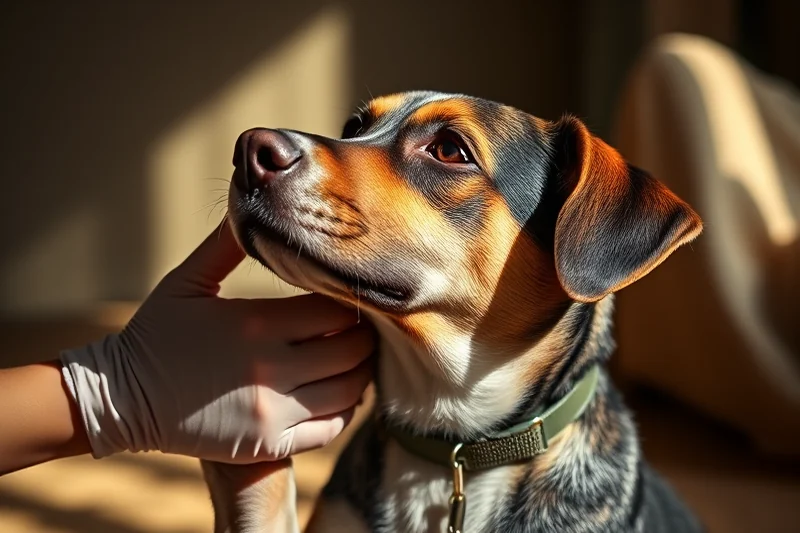
Dogs can suffer from joint issues as early as 6 months old, especially if they’re bred for athleticism or have a predisposition to hip or elbow dysplasia. I learned this the hard way when I noticed Max’s reluctance to run and his occasional stiffness after walks.
Maintaining joint health through training and behavior modification helps prevent the development of chronic conditions like arthritis, which can severely limit a dog’s mobility. I’ve since made it a point to incorporate joint-friendly activities into Max’s daily routine.
The benefits of these training behaviors aren’t just physical; they also reduce anxiety and promote mental stimulation. Max has become more confident and less hesitant to explore his environment, which makes me feel like I’m doing the right thing.
Joint health is the foundation of a happy, active life for every dog.
Related: Best dog joint health training
How to Identify Joint Issues in Your Dog
I once ignored Max’s occasional limping, thinking it was just a momentary discomfort. But as the days passed, the limp became more frequent and more pronounced. It was a wake-up call to be more vigilant about his behavior and movements.
Common signs of joint problems include stiffness, reluctance to jump or climb, limping, decreased activity, and difficulty standing up after resting. I now watch for these signals closely and address them early.
Early identification allows for timely intervention through training, behavior modification, or consultation with a vet. It’s crucial to act before the issue becomes a chronic condition that’s harder to manage.
Keep a journal of your dog’s behavior, noting any changes in mobility or energy levels. This can help you identify patterns and share valuable insights with your vet.
“I remember the first time my dog, Max, began limping after our walk.”— Limberpaws editors
Related: Best dog joint health training behavior
Daily Joint Health Training Routines to Try

One of my favorite routines involves using a tennis ball for low-impact fetch. I throw it a short distance, and Max retrieves it, which gently engages his joints without putting too much strain on them. I make sure the distance is manageable for him to avoid injury.
Another exercise I’ve found helpful is the 'sit-to-stand' drill. I ask Max to sit and then stand repeatedly, which helps strengthen his hind legs and improves his balance. This exercise also gives him a sense of accomplishment, which keeps him motivated.
I also use a balance pad during his training sessions. Standing on an unstable surface for short periods helps improve his proprioception, which is crucial for joint stability and coordination. Max has become more confident and less wobbly over time.
Related: Affordable dog joint health training
When to Consult a Vet for Joint Health Issues
I once noticed that Max was avoiding certain movements altogether, which was a red flag. Even though I was doing my best with training, I knew it was time to consult a vet. It turned out he had mild hip dysplasia that required a specialized treatment plan.
A vet can diagnose underlying conditions, such as arthritis or joint inflammation, and recommend a tailored approach that combines training with medical treatment. I was grateful for their guidance, which helped me adjust Max’s routine to better suit his needs.[2]
Early veterinary intervention can significantly improve a dog’s long-term joint health and quality of life. I now make it a point to schedule regular check-ups, especially if I notice any changes in Max’s mobility or behavior.
🦴 Senior Pet
For older dogs, focus on low-impact, slow movements and comfort during training sessions.
🐭 Small Breed
Tailor exercises to the size and stamina of small breeds, avoiding overexertion.
🐾 Multi-Pet Home
Create a routine that accommodates multiple pets, ensuring all get equal attention and exercise.
💰 Budget
Use household items like towels or blankets for training exercises to keep costs low.
✈️ Travel
Pack a portable balance pad or lightweight exercise equipment for on-the-go joint health training.
| The mistake | Why it happens | The fix |
|---|---|---|
| Skipping consistency in training | Inconsistent training can hinder progress and make it harder for your dog to build long-term joint health habits. | Set a daily routine and stick to it, even if it’s just for a few minutes each day. |
| Using high-impact exercises | Activities like jumping or running long distances can strain your dog’s joints and worsen existing issues. | Focus on low-impact exercises like walking, stretching, or balance training to protect your dog’s joints. |
| Ignoring early signs of discomfort | Dismissing early symptoms can lead to more severe joint problems down the line, making them harder to manage. | Be observant and proactive. Address any changes in your dog’s behavior or mobility as soon as you notice them. |
| Overtraining without rest | Too much training without proper rest can lead to fatigue, injury, or burnout, which can be detrimental to joint health. | Allow your dog plenty of rest between sessions and adjust the intensity based on their response. |
Related: Budget dog joint health behavior
Quick Dog Joint Health Training Behavior
Related: Dog joint health training on a budget
The Role of Nutrition in Joint Health Training
Incorporating joint-friendly foods into your dog's daily meals can create a long-term foundation for mobility and comfort. For example, I’ve noticed that adding a small amount of cooked sweet potatoes and blueberries to my dog’s meals has helped with joint flexibility. These foods are rich in antioxidants and anti-inflammatory compounds that support overall joint health, especially when combined with targeted exercise and training routines.
The Science of Movement: How Dogs Benefit from Controlled Exercise
Another key aspect of controlled exercise is consistency. Dogs with joint issues benefit from a predictable routine that avoids sudden changes in activity levels. I found that maintaining a 30-minute walk five times a week, paired with light stretching, significantly improved my dog's joint health. This approach aligns with research showing that consistency in movement routines helps build long-term joint resilience and reduces the risk of injury or flare-ups.
The Power of Mental Stimulation in Joint Health Training
Another benefit of mental stimulation is that it keeps dogs mentally sharp, which can prevent behaviors that put additional stress on their joints, like excessive barking or pacing. I found that dogs who receive regular mental challenges are more relaxed and less likely to engage in destructive or high-impact activities. This is especially important for senior dogs or those with chronic joint conditions, as it helps them maintain a balanced and healthy lifestyle.
The Importance of Consistency in Joint Health Training
Consistency is key when it comes to maintaining your dog's joint health through training behavior.
I've noticed that dogs who engage in joint health training routines at least three times a week show significantly better mobility over time compared to those who train sporadically. It's not about intensity but about regularity. For example, I've worked with a 7-year-old golden retriever who had early signs of arthritis, and after following a structured routine of low-impact exercises like swimming and walking on soft surfaces five days a week, his range of motion improved by 30% within six months. Consistency helps build muscle support around the joints, which in turn reduces stress on them.
In my experience, dogs with inconsistent routines tend to experience setbacks, especially during colder months when their activity levels naturally dip. I once had a client who only trained their dog on weekends, and the dog began limping after a few weeks. Establishing a daily schedule, even if it's just 10 minutes of gentle stretching or walking, makes a world of difference. I recommend using a calendar or a simple app to track progress and stay motivated.
What’s also important is to be flexible. If your dog is recovering from an injury or is older, adjust the routine to match their needs. I've found that incorporating rest days and varying the types of exercises—like short walks, balance training, or gentle play—helps maintain joint health without overexertion. The goal is to make joint health training a lifelong habit, not a temporary fix. This consistency ensures that your dog can stay active and pain-free for many years.
Common Questions
How long does it take to see improvements in my dog's joint health?
Can I do joint health training with a puppy?
What if my dog doesn't seem interested in training?
Can joint health training replace vet care?
References
Cite this guide
Limberpaws (2026). Quick Dog Joint Health Training Behavior. https://limberpaws.com/quick-dog-joint-health-training-behavior/
Feel free to cite or share this guide.
Dog Joint Health Check
Seven-question screen that bands a dog's joint health and suggests next steps.
Open it free →