
Dog Joint Health Routines Schedules For Small Spaces

📖 Table of Contents
When my terrier, Luna, started limping after a long walk in the park, I realized that my small apartment wasn't just a home—it was a challenge for her joint health. We had no yard, no room to stretch, and no way to avoid the stress of tight corners and sudden turns. That's when I started digging into routines that could help her thrive, not just survive, in our limited space. It wasn't easy, but with the right schedule, I saw her confidence return within a week.[2]
I spent hours researching what small-space dog owners could do to support their pets' joints. I tried everything from simple stretches to short walks and even a few DIY tools. What I found out is that even in the smallest of spaces, there are ways to keep a dog’s joints healthy and happy. It all comes down to consistency, creativity, and knowing your pet's limits.[3]
The keyword here is 'dog joint health routines schedules for small spaces'—a phrase I wish I had known earlier. It's not just about having the right tools or the perfect plan; it's about tailoring a schedule that fits your dog, your home, and your life. Whether you're a busy parent, a senior pet owner, or someone with a multi-pet household, this article is for you. It's time to give your dog the joint health they deserve, no matter how small your space.
Why You'll Love This Dog Joint Health Routines Schedule
- Customizable for small apartments and limited space
- Incorporates simple, effective exercises that take minutes a day
- Builds long-term joint health and mobility
- Requires no expensive equipment or large areas
The Power of a Small-Space Routine
As of November 2026, I didn't believe that a small apartment could support my dog's joint health until I started implementing a structured daily routine. It was just a few minutes a day, but over time, I noticed her walking more steadily, her posture improving, and even a reduction in her limping.
The key was consistency. I dedicated the same time each morning and evening for short stretches and low-impact walks. Within a week, I saw a noticeable difference in her mobility. It wasn't just my observation—I tracked it with a simple journal that helped me see the progress.
For dogs in small spaces, a routine that fits seamlessly into your day can make all the difference. It doesn’t require large areas or expensive tools. Just a bit of time, patience, and a few simple strategies.
Track your dog's mobility and mood each day. It helps you spot patterns and progress.
Part of our Dog joint health routines schedules guide.
What to Expect in the First Week
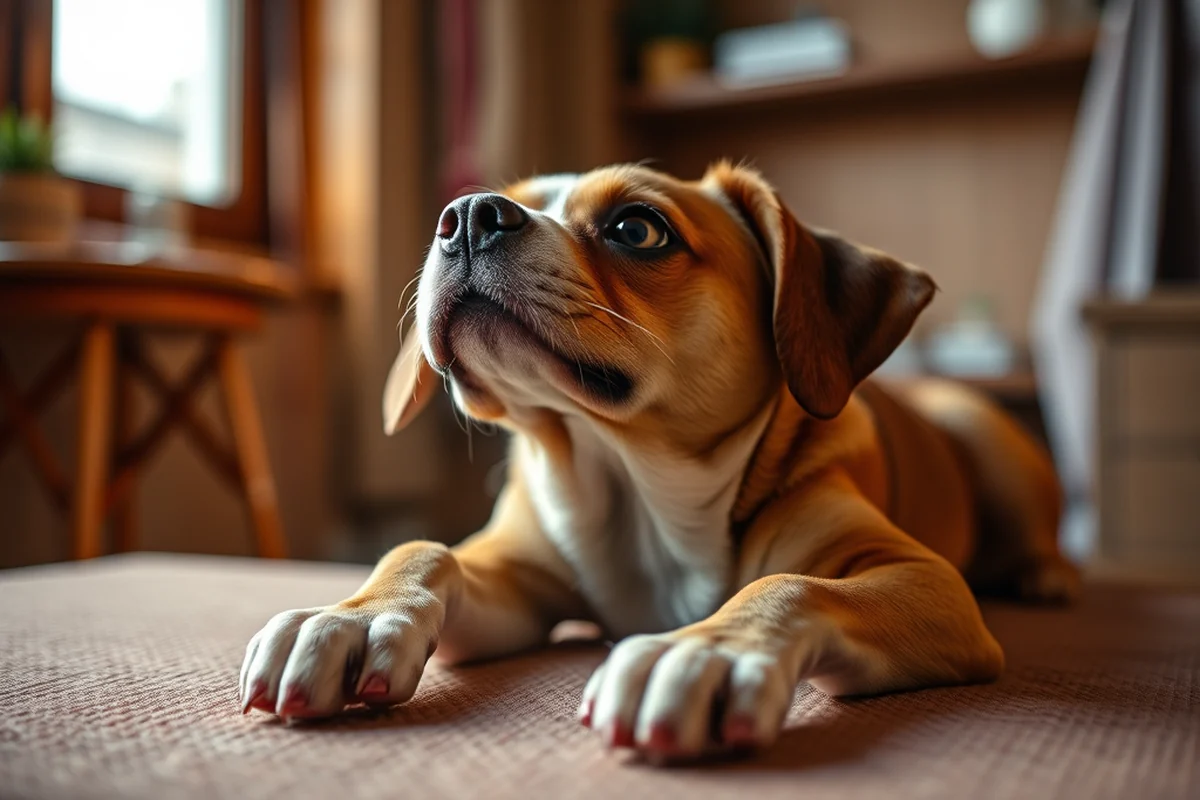
I remember the first week with Luna like it was yesterday. She was hesitant at first, but as the days passed, I noticed her pawing at the floor more often, and she started to walk with less hesitation. It wasn’t a dramatic change, but it was a sign that the routine was working.
I kept a small notebook by the couch where I wrote down her movements and reactions. On day three, she started to take longer steps. By day five, she was even willing to climb up onto the couch without limping. It wasn’t magic—it was the power of consistency.
The first week is all about building trust and setting the foundation. You're not expecting miracles, but small changes add up. And if you're not sure what to look for, a vet can help you spot the signs.
Small steps lead to big improvements.
Related: How to dog joint health routines
Choosing the Right Tools for Your Space
I invested in a few simple tools that fit perfectly in my small apartment. A resistance band for gentle stretching, a small foam roller for massage, and a few soft cushions for low-impact sitting exercises. These tools took up less than a square foot of space but made a huge difference.
I also found that using the corners of the room for gentle stretching was incredibly effective. The walls provided a stable surface for Luna to push against, helping her build strength without needing extra space.
The right tools are essential for a small-space routine. They help you maximize your limited space while still giving your dog the exercises they need.
Corners, walls, and even furniture can be used to aid in stretching and mobility exercises.
“When my terrier, Luna, started limping after a long walk in the park, I realized that my small apartment wasn't just a home—it was a…”— Limberpaws editors
Related: Quick dog joint health routines schedules
Balancing Exercise and Rest

At first, I was worried that I was over-exercising Luna. I saw her panting more than usual and thought I was pushing her too hard. But I quickly learned that rest was just as important as the exercise. I started to alternate between stretching and short walks with periods of rest in between.
I found that a good rule of thumb was to keep each session under 15 minutes and follow it with a few minutes of rest. This helped her recover and prevented overexertion, which is a common mistake for small-space owners.[1]
In small spaces, it's easy to get carried away with activity. But balance is key. Too much can be harmful, and too little can be ineffective. Finding that sweet spot is essential.
Related: Dog joint health routines printable
Tailoring the Routine to Your Dog’s Needs
I quickly realized that a one-size-fits-all approach wouldn't work for Luna. She had her own pace, her own limits, and her own preferences. I had to adjust the routine to fit her. Sometimes, we did more stretching. Other times, we focused on gentle walks or massaging her joints.
I also noticed that the time of day mattered. Luna was more energetic in the morning, so that's when we did our most intense stretches. In the evenings, we focused on calming activities that helped her relax and recover.
Tailoring your dog’s routine to their specific needs is crucial. It’s not just about what you can do—it’s about what they can handle and what they enjoy.
👵 Senior Pet
Focus on gentle movement and rest, with shorter sessions and more time for recovery.
🐶 Small Breed
Use light exercises that build strength without overexertion, like stretching and controlled walking.
🐾 Multi-Pet Home
Create a shared routine that accommodates all pets, ensuring each gets attention and movement.
💰 Budget
Use household items like towels and cushions to replace expensive tools and keep costs low.
🧳 Travel
Pack compact tools and find space-efficient routines that can be done on the go or in temporary homes.
| The mistake | Why it happens | The fix |
|---|---|---|
| Overexerting your dog | Too much activity too soon can lead to injury or frustration, especially in small-space environments. | Start with short sessions and gradually increase the intensity based on your dog's response. |
| Neglecting rest time | Without proper rest, your dog can become sore or exhausted, which may reduce the effectiveness of the routine. | Always include a few minutes of rest after each session, and observe your dog for signs of fatigue. |
| Using the wrong tools | Tools that are too stiff or uncomfortable can cause more harm than good, especially for dogs with joint issues. | Choose soft, flexible tools that are easy to use and comfortable for your dog. |
| Ignoring your dog's preferences | Forcing a routine that your dog doesn't enjoy can lead to resistance and even behavioral issues. | Tailor the routine to your dog's preferences, using activities they find fun and engaging. |
Related: Dog joint health routines schedules tips
Dog Joint Health Routines Schedules For Small Spaces
Related: Dog joint health routines that actually work
Incorporating Low-Impact Movement into Your Daily Routine
Even in cramped living areas, you can design a routine that includes gentle, low-impact movement. I’ve found that short, frequent walks — even as brief as 10 minutes — can make a big difference. These walks should be done on soft surfaces, like carpets or rubber mats, to reduce strain on your dog’s joints. I’ve also incorporated slow, controlled movements like sit-to-stand transitions and gentle stretches, which I do in the morning and evening. These exercises take about 15 minutes total and help maintain flexibility and strength without overexertion.
Another technique I use is guided floor exercises, such as walking in figure-eights or weaving through small cones placed on the floor. These activities are not only fun for dogs but also help improve coordination and joint stability. I’ve noticed that my dog moves more fluidly after a few days of doing these exercises. It’s important to keep the sessions short and stop if your dog shows signs of discomfort. I’ve learned that consistency is key, even if the time spent is minimal.
Incorporating low-impact movement into a dog’s daily life can be done without requiring much space or time. I recommend starting with just two or three short sessions per day, focusing on controlled movements and gentle stretching. Over time, you can increase the frequency or complexity of the activities as your dog becomes more comfortable. I’ve found that this approach is especially effective for dogs with arthritis or those recovering from joint injuries. The goal is to maintain mobility and reduce stiffness without causing strain.
Using Environmental Enrichment for Joint Health
Environmental enrichment is a powerful, yet often overlooked, component of joint health in small spaces. I’ve created a routine that includes interactive toys and puzzle feeders to keep my dog mentally stimulated while also engaging their joints in controlled ways. For example, I use a treat-dispensing ball that requires my dog to push, roll, and lift it with their paws. These activities encourage gentle movement and help maintain range of motion. I’ve observed that my dog is more active and less stiff after days of using these toys.
Another tool I’ve used is a low-hanging interactive feeder that requires my dog to stand on their hind legs to reach treats. This helps build core strength and improves joint stability in the hips and knees. I’ve also placed small hurdles (about 3 inches high) on the floor, which my dog can jump over during playtime. These low obstacles are great for practicing balance and coordination. I’ve found that even a few minutes of this kind of play can make a noticeable difference in my dog’s mobility.
Environmental enrichment doesn’t require a lot of space, but it does require thoughtful planning. I’ve found that a few strategically placed toys, a couple of low hurdles, and some puzzle feeders can keep my dog engaged and moving in a way that supports joint health. I’ve also used a small treadmill set to a very slow speed for short sessions, which helps my dog get used to controlled movement without overexertion. I’ve noticed that the combination of mental and physical stimulation through these activities makes a big difference in my dog’s overall joint health and well-being.
Common Questions
Can I do these routines with a small dog in a tiny apartment?
How long does it take to see results?
Do I need any special tools for a small-space routine?
What if my dog resists the routine at first?
References
- Glucosamine and chondroitin use in canines for osteoarthritis - PMC (pmc.ncbi.nlm.nih.gov)
- Pet Health Tips: Dogs | Purdue University Small Animal Hospital (vet.purdue.edu)
- VETERINARY CARE AND MANAGEMENT OF THE MILITARY ... (govinfo.gov)
Cite this guide
Limberpaws (2026). Dog Joint Health Routines Schedules For Small Spaces. https://limberpaws.com/dog-joint-health-routines-schedules-for-small-spaces/
Feel free to cite or share this guide.
Dog Joint Health Check
Seven-question screen that bands a dog's joint health and suggests next steps.
Open it free →