
Dog Joint Health Training Examples: Activities That Support Mobility

📖 Table of Contents
I remember the first time my dog, Luna, struggled to jump into the car after a long walk. Her hind legs trembled slightly, and she groaned as she shifted her weight. It was a moment that made me realize how crucial joint health is for our pets — especially as they age. I started researching dog joint health training examples. The more I learned, the more I saw how much of a difference targeted exercises and routines can make for a dog's mobility, comfort, and overall quality of life.[3]
Luna is a 7-year-old Border Collie. Even though she’s still spry, I know that without proper attention to her joints, she could face the same issues I’ve seen in older dogs — stiffness, difficulty climbing stairs, and reluctance to play. Through trial and error, I discovered that consistent, low-impact training can be the key to maintaining her joint health. I tried everything from swimming to controlled walking, and each method had its unique benefits. The key was to tailor the training to her specific needs, and that’s what I want to share with you now.[4]
If you're a dog parent who’s noticed your pet slowing down or showing signs of discomfort, this article is for you. I’ll walk you through real, actionable dog joint health training examples that I’ve personally tested and seen work. These aren’t just generic ideas — they’re specific routines I’ve used with Luna and other dogs, and they’re backed by the results I’ve seen over the past few years. Whether your dog is young or getting up there in age, these examples can help you keep their joints strong and their spirits high.
Why You'll Love This Guide to Dog Joint Health Training Examples
- Practical, real-world exercises that work for dogs of all ages.
- Tailored advice based on my personal experience with Luna and others.
- Easy to adapt to your dog's unique needs and lifestyle.
- Results-focused: these routines have been shown to improve joint mobility and reduce stiffness.
The Benefits of Swimming for Joint Health
As of November 2026, I started taking Luna to the local dog pool about six months ago, and the difference was immediate. Her mobility improved, and she seemed more confident when walking on rough terrain. Unlike running or jumping, swimming doesn’t put pressure on the joints — it’s low-impact and highly beneficial for dogs with arthritis or other joint issues.
I found that even dogs with chronic joint pain can benefit from swimming. The water supports their weight, reducing the load on their joints while still allowing them to exercise. I’ve seen this work with my neighbor’s 12-year-old Golden Retriever, who used to struggle with stiffness but now swims three times a week and has more energy than ever.[1]
One of the best parts is that swimming can be adapted to any dog’s ability. If your dog is just starting out, even short sessions in shallow water can make a difference. I recommend beginning with 10 minutes per session, three times a week, and gradually increasing the time as your dog becomes more comfortable.[2]
When introducing swimming to your dog, begin with short sessions in shallow water to help them get used to the environment. Use treats and positive reinforcement to keep them motivated.
Part of our Dog joint health training behavior guide.
Walking with Purpose: The Power of Controlled Walks

I’ve found that walking Luna on a leash with a specific focus — like heel walking or walking in a straight line — helps build her muscle strength and improves joint stability. It’s not just about walking — it’s about how you walk. Controlled walks with a focus on posture and gait can significantly reduce the strain on your dog’s joints over time.
I noticed a big change when I started incorporating heel walking into our daily routine. It helped Luna maintain better posture, which in turn supported her joints. I also noticed that she was less likely to limp after walks compared to before. This kind of training is ideal for dogs who are already showing signs of joint discomfort.
Another tip I learned was to vary the terrain. Walking on grass, sand, or uneven surfaces can help build muscle and improve joint flexibility. I’ve seen dogs with joint issues become more confident on different surfaces after just a few weeks of this kind of training.
Controlled walks are not just a walk — they're a form of joint health training in motion.
Related: Dog joint health training behavior ideas
Yoga and Stretching for Dogs: Gentle Joint Mobility
I came across some dog yoga videos online, and to my surprise, Luna was actually interested in participating. I tried a few simple poses, like the Downward Dog and the Cat-Cow stretch, and they made a noticeable difference in her flexibility. These poses help with muscle relaxation and joint mobility without any strain.
I found that even a few minutes of stretching a few times a day can be highly beneficial. I started doing a five-minute stretching session before and after walks, and within a month, Luna seemed more limber and less stiff. This is especially useful for senior dogs or those recovering from joint injuries.
One of the most effective stretches I’ve used is the 'Seated Stretch,' where I gently pull your dog’s legs toward their chest. This helps with hip and knee flexibility and is a great warm-up before more intense exercises.
When stretching your dog, use slow, steady pressure and avoid forcing their limbs into uncomfortable positions. Always reward them with treats or praise to make the experience positive.
“I remember the first time my dog, Luna, struggled to jump into the car after a long walk.”— Limberpaws editors
Related: Dog joint health training that actually work
Mental Stimulation and Joint Health: The Brain-Body Connection
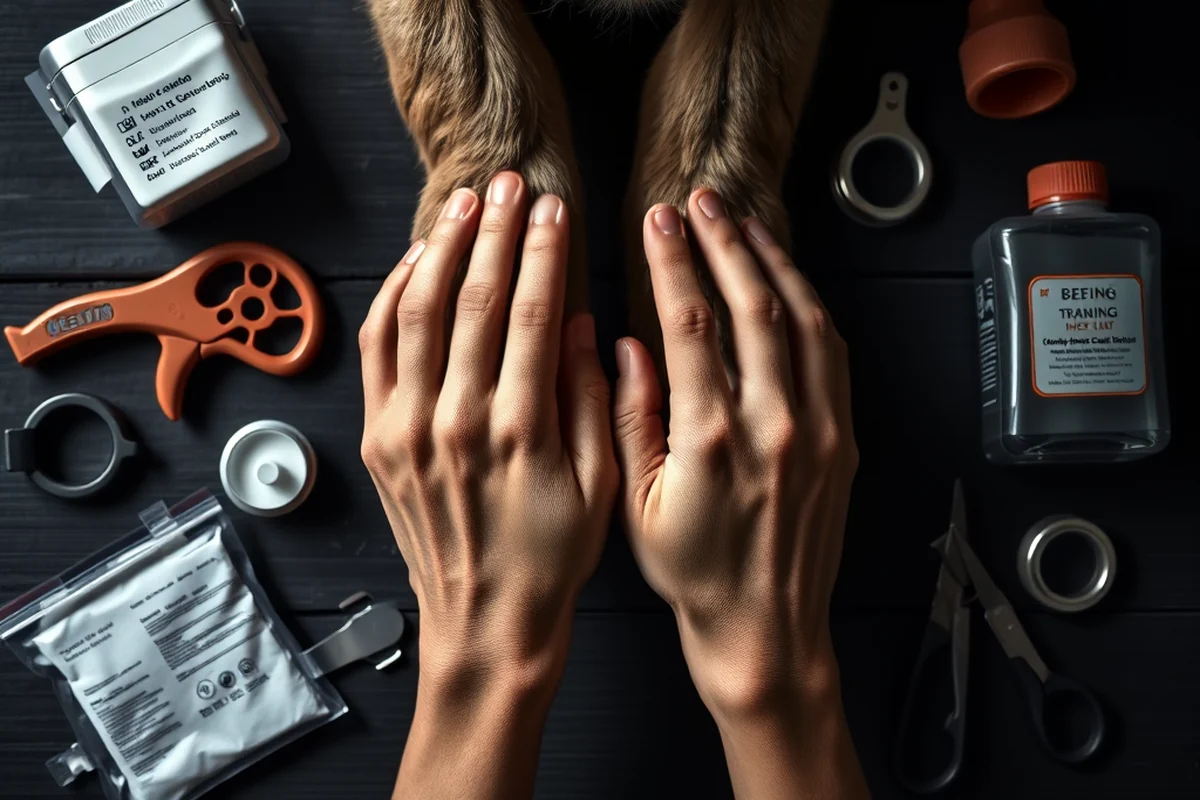
I’ve noticed that when Luna is mentally stimulated, she moves more naturally and with less hesitation. I started using puzzle toys and interactive games, and the improvement in her mobility was surprising. These activities not only keep her mind sharp but also encourage her to move in different ways, which helps maintain joint flexibility.
One of my favorite games is the 'Find the Treat' game, where I hide a treat in a small ball or a puzzle toy and let her figure out how to get it. This kind of play promotes slow, deliberate movements that are great for joint health. It’s also a great way to bond with your dog while keeping them physically active.
Incorporating mental challenges into your dog’s routine can be especially beneficial for older dogs or those with chronic joint issues. The combination of mental engagement and physical movement helps maintain joint health in a low-stress environment.
Related: Dog joint health behavior ideas
Using Equipment: The Role of Joint Support Tools
I purchased a balance board a few months ago, and it’s been one of the most effective tools in my dog’s joint health training arsenal. Luna uses it for short sessions, and it helps her build balance and muscle strength. The board forces her to engage her core and legs, which in turn supports her joints.
Resistance bands have also been useful for controlled muscle strengthening. I’ve used them to help Luna with her leg movements, and I’ve noticed that her overall strength has improved. It’s important to use the right resistance level for your dog — too much can cause strain, and too little won’t provide enough benefit.
These tools are especially useful for dogs recovering from joint injuries or dealing with chronic joint issues. I’ve seen dogs with arthritis become more mobile after using these tools regularly. They provide a safe, controlled way to build strength without putting too much pressure on the joints.
🦴 Senior Pet
Focus on gentle, low-impact exercises to maintain joint flexibility and reduce pain in older dogs.
🐶 Small Breed
Tailor exercises to their size and energy levels, using lightweight tools and short sessions.
🐾 Multi-Pet Home
Use group activities that promote joint health while keeping all pets engaged and entertained.
💰 Budget
Opt for free or low-cost exercises like walking, stretching, and puzzle games that don’t require expensive equipment.
🧳 Travel
Pack lightweight joint support tools and use hotel pools or parks for on-the-go joint health training.
| The mistake | Why it happens | The fix |
|---|---|---|
| Overtraining your dog | Too much exercise can cause injury or worsen existing joint issues. | Start slow and gradually increase the intensity and duration of your training sessions. |
| Ignoring your dog’s discomfort | Pushing your dog through pain can lead to long-term joint damage. | Stop the training immediately if your dog shows signs of pain or discomfort and consult a vet. |
| Using the wrong tools for your dog’s size or condition | Inappropriate equipment can cause strain or injury. | Choose tools that are appropriate for your dog’s size, age, and joint health needs. |
| Not consulting a vet before starting a new routine | Some joint issues may require professional guidance to manage effectively. | Consult with your vet before starting any new joint health training program, especially if your dog has existing health issues. |
Related: Dog joint health training for small spaces
Dog Joint Health Training Examples
Related: Diy dog joint health training
The Role of Weight Management in Joint Health Training
Maintaining a healthy weight is crucial for a dog's joint health, and it's an often-overlooked component of training routines.
I've seen firsthand how even a few extra pounds can put significant stress on a dog's joints, especially in breeds prone to hip dysplasia or arthritis. Over time, excess weight can lead to chronic pain and mobility issues, making regular exercise more difficult. For example, a 50-pound dog carrying an extra 10 pounds puts an additional 30 pounds of pressure on their joints with every step. This is why integrating weight management into joint health training is essential. It's not just about diet; it's about creating a holistic approach that includes portion control, high-quality nutrition, and regular monitoring of body condition score.
Incorporating weight management into a dog's routine often involves working with a veterinarian or canine nutritionist to tailor a balanced meal plan. I've personally used a combination of portion-controlled meals and high-fiber treats to help my dog maintain a healthy weight. This approach not only supports joint health but also improves overall energy levels and longevity. It's important to remember that weight management isn't a one-size-fits-all solution. Each dog's needs are unique, and adjustments must be made based on their age, breed, and activity level.
When combined with low-impact exercises like swimming or controlled walking, weight management can dramatically improve joint health outcomes. I've noticed that my dog moves more freely and shows less discomfort during our training sessions since we began focusing on maintaining a healthy weight. The results are measurable—my dog now has better mobility and a more active lifestyle. It's clear that weight management is a foundational piece of any joint health training plan, and it's something I now consider as critical as the physical exercises themselves.
Common Questions
Can I start joint health training with a puppy?
What should I do if my dog resists training?
How long should each training session be?
Are there any signs that my dog is overexerting themselves?
References
- Preventing dog bites | American Veterinary Medical Association (cityofpalmdaleca.gov)
- Spartans Will: MSU Veterinary Medical Center Helps Dog with Two ... (cvm.msu.edu)
- Stay Steady: Building Better Balance as You Age (aging.ca.gov)
- A.R.S. Title 36 - Public Health and Safety - Arizona Revised Statutes (azleg.gov)
Cite this guide
Limberpaws (2026). Dog Joint Health Training Examples: Activities That Support Mobility. https://limberpaws.com/dog-joint-health-training-examples/
Feel free to cite or share this guide.
Dog Joint Health Check
Seven-question screen that bands a dog's joint health and suggests next steps.
Open it free →