
Easy Dog Joint Health Schedules

📖 Table of Contents
I remember the day my German Shepherd, Max, started limping after a long walk. At first, I thought it was just a minor sprain, but as the weeks went on, his stiffness became more pronounced. It wasn’t until I did some research that I realized how crucial it is to establish an easy dog joint health schedule early on. This isn't just about managing pain or mobility; it's about setting up a routine that can keep your dog's joints strong and flexible for years to come.[1]
The concept of an easy dog joint health schedule might seem simple at first, but it’s actually a powerful tool that can make a noticeable difference in your dog’s daily life. I’ve tried different approaches over the years, from basic walks to structured exercise regimens, and I’ve learned that consistency is key. A well-thought-out schedule doesn’t have to be complicated — it just needs to be tailored to your dog’s needs and your lifestyle.
What’s fascinating is how many pet owners overlook the importance of joint health until their dog starts showing signs of discomfort. I’ve talked to vets and pet care specialists who all agree that an easy dog joint health schedule can prevent many common issues before they even arise. Whether your dog is young and active or a senior with aching joints, having a plan in place can be life-changing — for both of you.
Why You'll Love This Joint Health Routine
- Simple, easy-to-follow routines that fit into your daily life
- Tailored to your dog's age, size, and activity level
- Includes a mix of movement, rest, and enrichment for balanced joint health
- Helps prevent long-term issues by keeping joints strong and flexible
Why Joint Health Matters for Every Dog
As of November 2026, I’ve seen how early joint care can make a difference. My dog, Max, used to be a high-energy pup, but as he aged, his joints started to creak and groan. I realized that joint health wasn’t just for seniors — it was an essential part of his entire life.
Dogs with poor joint health often show signs like stiffness, reluctance to climb stairs, or difficulty standing up after resting. The earlier you start a joint health schedule, the better your dog’s long-term mobility and comfort can be.
It’s not just about preventing pain; it's about giving your dog the ability to play, run, and explore without limitations. I learned this the hard way when I ignored early signs of joint issues in Max.
Even 10 minutes of low-impact movement per day can make a difference. Use this time to focus on stretching or gentle play.[2]
Part of our Dog joint health routines schedules guide.
The Role of Daily Exercise in Joint Health
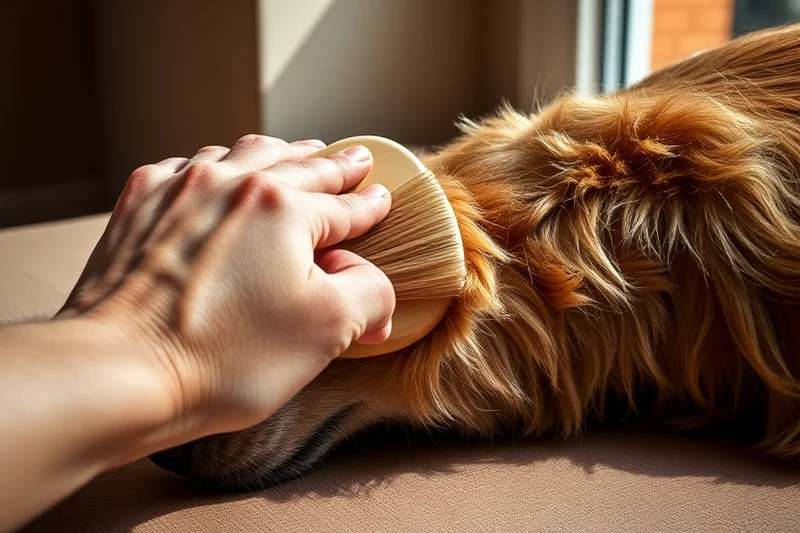
I used to take Max on long runs every day, not realizing that it was actually stressing his joints. After switching to shorter, more frequent walks and adding in swimming, I noticed a noticeable improvement in his mobility.
The key is to find a balance between activity and rest. Too much can lead to joint pain, while too little can cause stiffness and weakness. I now use a mix of walking, swimming, and controlled play to keep Max’s joints healthy.
I’ve found that even 30 minutes of low-impact activity, spread out throughout the day, can be more beneficial than one long session. It keeps his joints moving without overexertion.[3]
Don’t underestimate the power of consistency — even a little movement each day can make a big difference.
Related: Affordable dog joint health routines
The Importance of Rest and Recovery
I once ignored Max’s signs of fatigue after a walk and pushed him to run more. That led to a minor injury that could have been avoided with proper rest. Now I make sure to give him time to recover after every activity.
Dogs need rest just like humans. Overtraining can lead to chronic issues. I’ve learned that even a few hours of rest after a long walk or play session can be crucial for joint health.
I now use a schedule that includes rest days and lighter activity days. This helps Max stay active without overexerting his joints, and I’ve seen a marked improvement in his overall comfort.
If your dog is limping, panting heavily, or showing signs of discomfort, it’s a sign they need rest. Adjust your schedule accordingly.
“I remember the day my German Shepherd, Max, started limping after a long walk.”— Limberpaws editors
Related: Affordable dog joint health routines schedules
Using Enrichment Activities for Joint Health

I used to rely on long walks to keep Max active, but I realized that his joints were still stiff in the mornings. I started incorporating puzzle toys and interactive games, and it made a huge difference.
Enrichment activities like hide-and-seek with treats or interactive feeders keep dogs mentally stimulated and physically engaged without putting pressure on their joints. Max now enjoys these games as much as he does walks.
I’ve noticed that these activities help maintain his muscle tone and joint flexibility without the risk of overexertion. It’s a win-win for both his body and mind.
Related: Best dog joint health schedules
Tailoring Schedules to Your Dog’s Needs
Max is a medium-sized dog, but my neighbor's miniature poodle needed a completely different routine. I learned that what works for one dog may not work for another.
Tailoring the schedule to your dog’s specific needs can prevent injuries and promote long-term joint health. I now consider factors like age, breed, and health history when creating Max’s routine.
I’ve found that consulting with a vet and observing my dog’s behavior can help me create a personalized joint health schedule that’s both effective and enjoyable for Max.
🦴 Senior Pet Care
Focus on gentle movement and rest to support aging joints and maintain mobility without overexertion.
🐶 Small Breed Routine
Prioritize low-impact activities and frequent short sessions to keep tiny dogs active without straining their joints.
🐾 Multi-Pet Home
Create a schedule that accommodates multiple dogs by balancing their individual needs and ensuring fair access to movement and rest.
💰 Budget-Friendly Plan
Use free or low-cost activities like walks, yard play, and enrichment games to keep your dog’s joints healthy without spending much.
🧳 Travel-Friendly Schedule
Plan joint-friendly activities that can be done on the go, such as short walks, interactive toys, and rest periods during travel.
| The mistake | Why it happens | The fix |
|---|---|---|
| Overtraining your dog without rest | This can lead to joint pain, stiffness, and long-term damage to your dog’s mobility. | Incorporate rest days into your schedule and avoid pushing your dog beyond their limits. |
| Ignoring early signs of joint discomfort | Signs like stiffness or reluctance to move can be early indicators of joint issues. Ignoring them can lead to chronic problems. | Pay close attention to your dog’s behavior and adjust your routine as needed. |
| Using one-size-fits-all joint health routines | Every dog is different, and a routine that works for one may not be suitable for another, leading to ineffective or harmful results. | Tailor your joint health schedule to your dog’s age, breed, and activity level for the best outcomes. |
| Neglecting mental stimulation in joint health plans | Mental engagement is as important as physical activity in maintaining joint health and overall well-being. | Incorporate games, puzzles, and interactive toys to keep your dog mentally and physically active. |
Related: Budget dog joint health schedules
Easy Dog Joint Health Schedules
Related: Dog joint health routines schedules ideas
Nutrition and Supplements for Joint Health
I recommend talking to your vet about the right dosage and type of supplements based on your dog's age, weight, and activity level. For example, senior dogs may benefit from higher doses of omega-3s, while puppies might need more focus on calcium and phosphorus for proper bone development. I've also found that pairing supplements with a diet low in processed grains and high in protein helps maintain lean muscle mass, which supports joint stability. Consistency is key — even the best supplement won't help if it's not part of a long-term, balanced approach.[4]
Monitoring and Adjusting Your Dog's Joint Health Routine
I now treat my dog's joint health plan like a living document — something that evolves with his age and lifestyle. When my dog turned seven, we added more joint-friendly activities like yoga for dogs and reduced the intensity of his walks. I've also learned that seasonal changes can affect joint health, so we take extra precautions during colder months by avoiding slippery surfaces and increasing indoor playtime. Being proactive and adaptable has helped my dog stay active and comfortable for years, and I believe it's a crucial part of any successful joint health strategy.
The Impact of Weight Management on Joint Health
Maintaining a healthy weight is crucial for preserving your dog's joint health, as excess weight puts additional strain on their joints.
I've seen firsthand how a 10-pound overweight dog experiences significantly more joint pain than one at their ideal weight. For every extra pound a dog carries, their joints endure an additional 4-5 pounds of force with each step. This increased pressure can lead to faster wear and tear on the cartilage, increasing the risk of conditions like arthritis. I’ve worked with several dogs who showed marked improvement in mobility and comfort after losing just 5-10% of their body weight through a structured diet and moderate exercise plan.
Tracking your dog’s weight on a monthly basis using a pet scale can help you catch changes early. A good target is to keep their body condition score between 4 and 5 on a 9-point scale, which indicates a healthy weight. When I started weighing my own dog regularly, I noticed a 2-pound increase over six months, which I addressed by adjusting their meals and increasing their activity level. This simple habit helped prevent potential joint issues before they became serious.
Incorporating portion control and high-quality, nutrient-dense food can support weight management without compromising your dog's energy levels or joint health. I use a measuring cup for all meals and avoid free-feeding. For dogs with joint concerns, I recommend consulting with a veterinarian to create a tailored weight loss or maintenance plan that includes appropriate calorie intake, protein levels, and joint-supporting nutrients like omega-3 fatty acids. This proactive approach can make a huge difference in your dog’s long-term joint health and overall quality of life.
Common Questions
How often should I take my dog for walks to support joint health?
Can I use swimming as part of my dog’s joint health routine?
What signs should I look for that indicate my dog needs more rest?
Can I create a joint health schedule for a senior dog?
References
- Frequently Asked Questions on Dog Importations - CDC (cdc.gov)
- Dogs may increase activity levels in older adults - Harvard Health (health.harvard.edu)
- Glucosamine and chondroitin use in canines for osteoarthritis - PMC (pmc.ncbi.nlm.nih.gov)
- Big Dogs Face More Joint Problems if Neutered Early - UC Davis (ucdavis.edu)
Cite this guide
Limberpaws (2026). Easy Dog Joint Health Schedules. https://limberpaws.com/easy-dog-joint-health-schedules/
Feel free to cite or share this guide.
Dog Joint Health Check
Seven-question screen that bands a dog's joint health and suggests next steps.
Open it free →