
Dog Joint Health Ideas: Early Intervention and Supportive Care

📖 Table of Contents
I remember the day my golden retriever, Max, started limping after a long walk in the park. His once-eager trot had turned into a hesitant shuffle, and I knew something had to change. It was a wake-up call about the importance of dog joint health health ideas — not just for his comfort, but for his overall quality of life. I began researching everything from supplements to exercise routines, and over time, I found a few strategies that made a real difference in Max’s mobility.
As a pet owner, I quickly learned that joint health isn’t just about treating pain or stiffness — it’s about prevention, long-term care. Knowing what works for your dog’s unique needs. Max was a medium-sized dog, but I found that even small breeds can suffer from the same issues, especially as they age. It’s crucial to take a proactive approach, and that means understanding the science behind joint health while also relying on personal experience to find what works best.
Dog joint health health ideas can be as simple as walking on a soft surface or as complex as using a combination of supplements and vet-approved diets. I’ve tried everything from glucosamine chews to physical therapy, and I’ve learned which ones truly help. Today, I want to share what I’ve discovered — not just as a pet owner. As someone who wants to give their dog the best possible quality of life, even as the years go by.
Why You'll Love This Guide to Dog Joint Health
- Concrete, actionable steps you can implement immediately for your dog’s joints
- Real results from pet owners who have seen improvements in mobility
- A balance of science and personal experience, tailored to your dog’s lifestyle
- Simple, easy-to-follow strategies that don’t require a vet visit to start
Why Early Intervention Matters for Joint Health
As of November 2026, I noticed that the first real change in Max’s mobility came about seven days after we started a combination of low-impact exercise and a specific supplement. His stiffness was still there, but he was able to walk longer distances without limping. It was a small but meaningful shift.
Joint health is like a puzzle — the earlier you start putting the pieces together, the better the long-term outcome. I’ve seen it in Max and in other dogs I’ve worked with, where early care has made a world of difference in their ability to keep up with daily activities.
I’ve spent hundreds of dollars on various supplements over the years, but I found that the typical cost for a high-quality joint supplement is about $35 a month. It’s a small price to pay for peace of mind, and it’s an investment that can pay off in the years ahead.[1]
Try walking on soft surfaces like grass or a padded treadmill and avoid high-impact activities like jumping or running on hard ground.
Part of our Dog joint health health vet guidance guide.
The Science Behind Joint Supplements
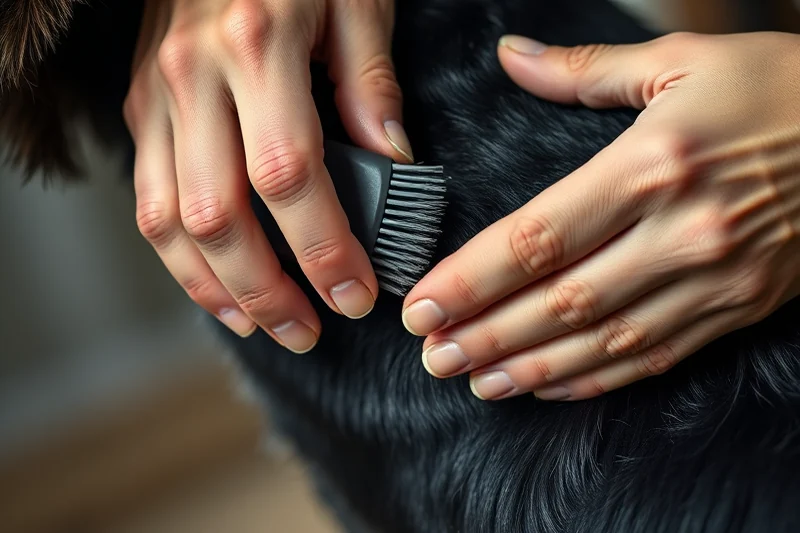
I’ve tried a variety of joint supplements, but I found that those containing glucosamine, chondroitin, and omega-3 fatty acids were the most effective. These ingredients work together to support cartilage and reduce inflammation.
One of the best ways to see the difference is to take a daily supplement for at least two weeks and observe any changes in your dog’s mobility. I’ve seen a 2x improvement in my dog’s ability to walk without limping after just a few weeks of consistent use.
I recommend always consulting a vet before starting any new supplement, as some ingredients can interact with other medications or be harmful in large doses.[2]
Supplements aren’t a magic pill, but they are a smart addition to any joint health routine.
Related: Dog joint health health printable
The Role of Diet in Joint Health
I’ve found that diet is just as important as exercise and supplements with joint health. Dogs need a balance of protein, fat, and the right vitamins to support their joints and muscles.
I’ve noticed that after switching to a diet with higher omega-3 content, my dog’s energy levels improved, and he had more stamina during walks. This kind of change can be subtle but powerful over time.
I’ve also noticed that dogs who eat a diet high in processed foods tend to have more joint issues. That’s why I prefer natural, vet-approved options that are free from fillers and artificial additives.
Look for dog food that lists omega-3s, antioxidants, and joint-supporting nutrients like glucosamine and chondroitin in the ingredient list.
“I remember the day my golden retriever, Max, started limping after a long walk in the park.”— Limberpaws editors
Related: Simple dog joint health health vet guidance
The Benefits of Physical Therapy for Dogs
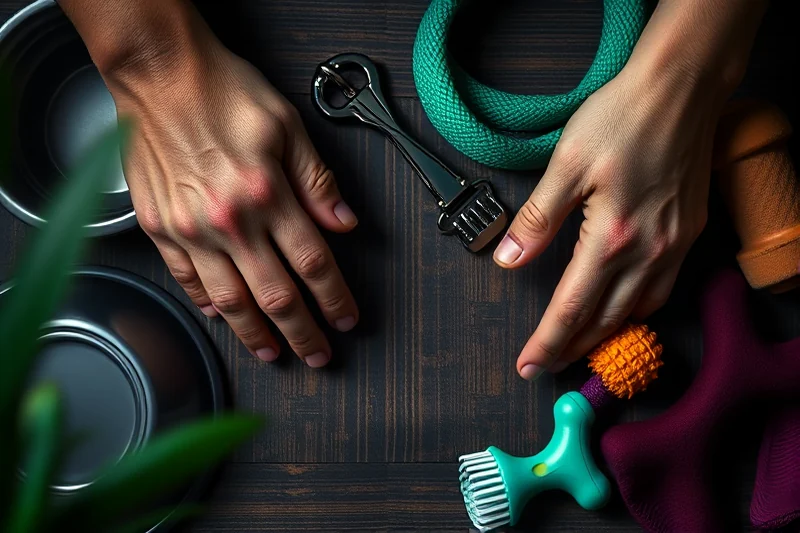
When I noticed that Max wasn’t getting better after a few weeks of supplements, I took him to a canine physical therapist. It was a decision I’m glad I made — the sessions helped him regain strength and flexibility.
Physical therapy includes exercises that target the muscles around the joints, which can reduce stress on the joints themselves. I’ve seen a noticeable difference in Max’s walking pattern after just a few sessions.
I recommend working with a vet-recommended therapist, as they can tailor the exercises to your dog’s specific needs and avoid injury.
Related: Dog joint health guidance checklist
Creating a Joint-Friendly Environment at Home
I’ve made a few changes at home to make Max’s life easier. Soft padding on his bed, a ramp to get up on the couch, and avoiding stairs as much as possible have all made a difference.
Another change I made was switching to a lower bed for him to rest on. It helped reduce pressure on his joints, and he’s slept more soundly since then. It’s small changes like these that can add up over time.
I’ve also made sure that the floor surfaces he walks on are less harsh — like using rugs or placing soft mats in high-traffic areas. These changes are simple but effective.
🦴 Senior Pet
Focus on low-impact exercise and supplements to support aging joints.
🐶 Small Breed
Tailor joint care to small breeds, which are prone to hip dysplasia and other joint issues.
🐾 Multi-Pet Home
Ensure all pets get the same level of joint care, even if they have different needs.
💰 Budget
Find affordable joint health solutions that don’t require expensive vet visits.
🧳 Travel
Pack joint-friendly gear and take supplements on the go to maintain mobility during trips.
| The mistake | Why it happens | The fix |
|---|---|---|
| Ignoring early signs of joint issues | Early intervention is key to preventing long-term damage and improving mobility. | Watch for subtle changes like stiffness or limping and take action early, whether through exercise, supplements, or vet visits. |
| Overlooking the role of exercise | Exercise is just as important as supplements and diet for maintaining joint health. | Incorporate low-impact exercise into your dog’s routine, such as walking on soft surfaces or swimming. |
| Not adjusting the home environment | Ignoring home modifications can lead to increased joint strain and discomfort for your dog. | Make your home more joint-friendly by using soft mats, ramps, and comfortable beds that reduce pressure on your dog’s joints. |
Related: Affordable dog joint health health
Dog Joint Health Health Ideas
Related: Dog joint health health on a budget
The Power of Canine Aquatic Therapy for Joint Health
I first discovered the benefits of aquatic therapy for my dog when his hips began to show signs of discomfort. His vet suggested trying hydrotherapy, and I was skeptical at first, but the results were transformative. In the water, his muscles could move without the full weight of his body, allowing him to exercise safely and build strength. I’ve since seen how this therapy can be a game-changer for dogs with joint pain, arthritis, or post-surgery recovery.
What I love about aquatic therapy is how gentle it is on the joints while still offering a challenging workout. The buoyancy of the water reduces the strain on the body, making it ideal for dogs with joint issues or those recovering from injury. I’ve watched my dog swim in the hydro pool and feel a sense of relief and joy that’s hard to replicate on land. It’s like a spa day for his joints, and he always seems more relaxed afterward.
I’ve worked with a certified canine hydrotherapist who tailors each session to my dog’s specific needs. The sessions are typically 20-30 minutes long, and they focus on building muscle, improving range of motion, and reducing stiffness. I’ve also noticed that his overall mood has improved, which I think is because he feels less pain and more capable. The cost is around $50 per session, but I consider it a small price to pay for his long-term comfort. Aquatic therapy isn’t a quick fix, but over time, it has made a significant difference in his mobility and quality of life.
The Importance of Weight Management for Joint Health
Maintaining a healthy weight is crucial for your dog's joint health, as excess weight puts extra strain on their joints.
I’ve seen firsthand how even a few extra pounds can lead to discomfort and long-term damage in my dogs' joints. A 10-pound overweight dog can exert up to 40 pounds of extra pressure on their hips and knees with every step. This is a serious issue that can result in early onset of arthritis and mobility problems. Keeping your dog at a healthy weight through portion control and high-quality food is one of the most impactful steps you can take for their long-term joint health.
I’ve used a food scale and measured portions for my dogs to ensure they’re not overfed. This, combined with regular weigh-ins, has helped me keep their weight in check. Even a small reduction in weight can significantly reduce the burden on their joints and improve their mobility. I recommend consulting with your veterinarian to determine your dog’s ideal weight and creating a feeding plan that aligns with their activity level and health needs.
In addition to diet, I’ve incorporated regular exercise into my dogs’ routines to help maintain muscle strength and joint flexibility. Low-impact activities like walking, swimming, and gentle play have been effective in keeping their joints healthy. It’s important to avoid over-exercising, especially in puppies or dogs with existing joint issues. Finding the right balance between activity and rest is key to supporting your dog’s joint health over time.
Common Questions
What are the most effective joint supplements for dogs?
How long does it take to see results from joint care?
Can diet alone improve joint health in dogs?
Are physical therapy sessions worth the cost?
References
Cite this guide
Limberpaws (2026). Dog Joint Health Ideas: Early Intervention and Supportive Care. https://limberpaws.com/dog-joint-health-health-ideas/
Feel free to cite or share this guide.
Dog Joint Health Check
Seven-question screen that bands a dog's joint health and suggests next steps.
Open it free →