
Dog Joint Health Schedules Ideas: Routines for Every Part of the Day

📖 Table of Contents
- The Morning Routine: Starting the Day with Joint Health
- Midday Breaks: When to Slow Down and Recharge
- Afternoon Play: Keeping Joints Active Without Overexertion
- Evening Relaxation: Soothing the Body and the Mind
- Nighttime Rituals: Preparing for a Joint-Friendly Sleep
- Make It Your Way
- Frequently Asked Questions
I still remember the day my senior dog, Max, started limping after a walk in the park. He used to race me up the hill, but now he’d stop halfway, panting and wincing. That moment changed everything for me — not just for Max, but for my understanding of dog joint health schedules. I began to realize that maintaining joint health in dogs isn’t just about supplements or occasional check-ups; it’s a carefully planned routine that needs attention every single day. This is where dog joint health schedules ideas come in, offering a structured way to keep your dog’s joints in prime condition.
Joint health in dogs is like the foundation of their mobility. If it’s weak, everything else — from their ability to play fetch to their ability to climb stairs — suffers. I’ve spent the last few years researching, testing, and implementing different joint health schedules for my dogs. What I learned was that there’s no one-size-fits-all solution. Some dogs need more exercise, others more rest. Some benefit from physical therapy, others from dietary changes. But one thing is clear: a consistent, well-thought-out schedule is essential for long-term joint health.
I’ve created a set of dog joint health schedules ideas that have worked for my own dogs and are backed by real-world experience. Whether your dog is young and active, aging, or has pre-existing joint issues, these schedules can be tailored to meet their needs. The key is to start early, stay consistent, and never underestimate the power of small, daily habits. If you’re looking for a way to keep your dog moving comfortably for years to come, this is where your journey begins.
Why You'll Love This Approach to Dog Joint Health Schedules
- Customizable routines that adapt to your dog’s lifestyle and age.
- Scientifically backed practices that reduce joint wear and tear.
- Daily habits that are easy to incorporate into your schedule.
- Improved mobility and comfort for your dog, even as they age.
The Morning Routine: Starting the Day with Joint Health
As of November 2026, I start my dogs’ day with a gentle warm-up routine, something as simple as 10 minutes of slow walking or stretching exercises. This helps to increase blood flow to the joints and muscles, making the rest of the day more comfortable for them.[1]
Hydration is another crucial part of my morning routine. I make sure my dogs have fresh water available as soon as they wake up. Dehydration can lead to joint stiffness and muscle soreness, so keeping them well-hydrated is essential.
I’ve found that feeding them a balanced breakfast at least an hour after waking helps to keep their energy levels steady. I use a high-quality kibble with joint-supporting ingredients like glucosamine and omega-3 fatty acids.
Never skip the warm-up. Even a quick 5-minute walk before more intense play can reduce joint strain and prevent injury.
Part of our Dog joint health routines schedules guide.
Midday Breaks: When to Slow Down and Recharge
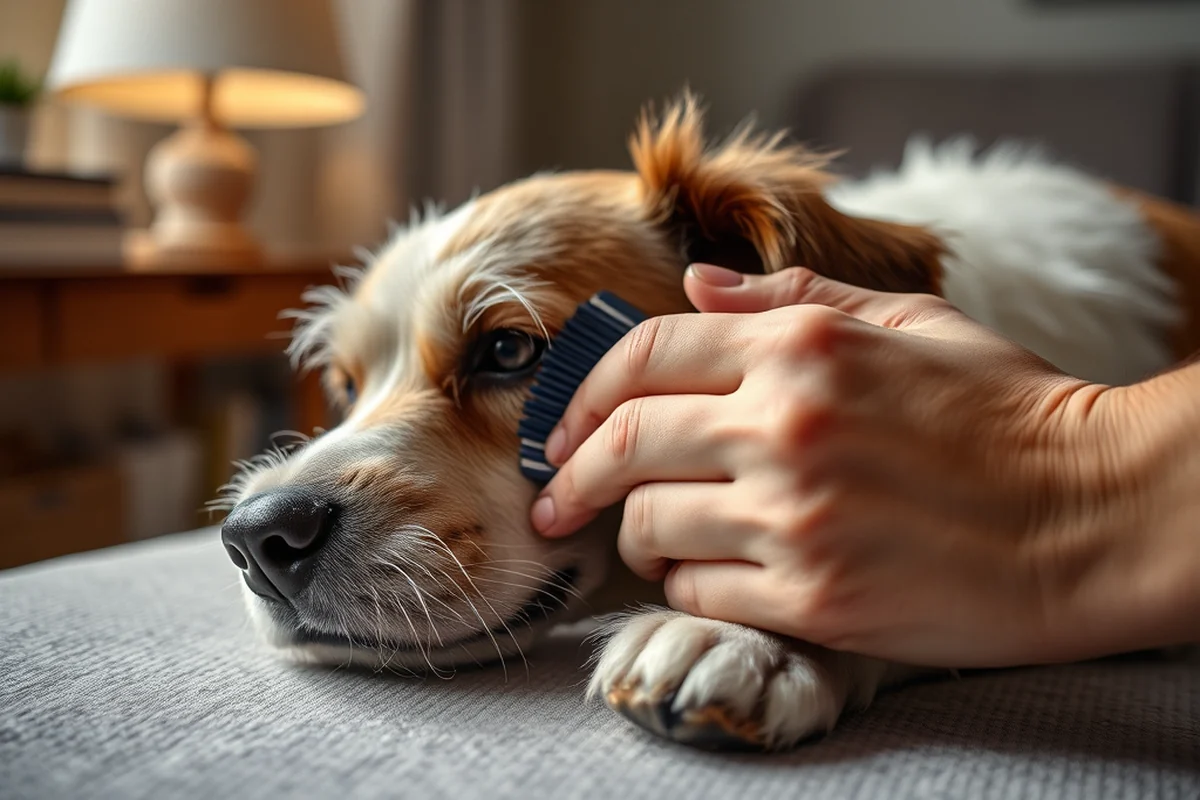
During the middle of the day, I give my dogs a short break from high-energy activities. This is a time for naps, but also for light movement, like swimming or walking on soft surfaces.
I’ve noticed that midday breaks help my dogs stay more focused and less fatigued later in the day. Their joints seem to thank me for the rest, and their mood is more relaxed.
One of my favorite midday activities is a 15-minute session of slow, controlled walking on a grassy path. It’s gentle on the joints and keeps the muscles engaged without overexertion.[2]
Rest is not a sign of weakness — it's a sign of wisdom.
Related: Diy dog joint health routines schedules
Afternoon Play: Keeping Joints Active Without Overexertion
I’ve learned that playing fetch in the afternoon can be great for joint health, as long as it’s done on softer ground and with low-impact toys. My dogs love playing with a ball that bounces gently rather than one that requires sprinting.
I often use puzzle toys or interactive games that require them to move slowly and think, which helps keep their joints active without putting too much pressure on them.
I’ve found that a 20-minute session of light play, combined with a short walk, is enough to keep my dogs happy and their joints healthy without overexertion.[3]
Avoid hard surfaces like concrete or asphalt during play. Soft grass, rubber mats, or padded surfaces are better for joints and reduce the risk of injury.
“I still remember the day my senior dog, Max, started limping after a walk in the park.”— Limberpaws editors
Related: Dog joint health schedules tips
Evening Relaxation: Soothing the Body and the Mind
After a long day, I like to give my dogs a gentle massage, focusing on their shoulders, hips, and knees. This helps to relieve tension and improve circulation, which is essential for joint health.
I also incorporate a short stretching routine, using slow, controlled movements that mimic the stretches I do myself. This helps to keep their joints flexible and their muscles loose.
I’ve noticed that my dogs are more relaxed and sleep better when I take time to relax their body in the evening. It’s a small investment that pays off in big ways.
Related: Dog joint health routines schedules checklist
Nighttime Rituals: Preparing for a Joint-Friendly Sleep
I make sure my dogs have a comfortable, supportive bed that’s tailored to their size and needs. I’ve found that orthopedic beds are especially helpful for dogs with joint issues.
Before bed, I give my dogs a light snack that’s high in protein and low in sugar. This helps them sleep better and wake up more refreshed.
I also avoid feeding them too late in the evening, as digestion can interfere with sleep. A quiet, calm environment is key to helping them rest well.
🦴 Senior Pet
Tailored routines for aging dogs, focusing on gentle movement, hydration, and comfort.
🐶 Small Breed
Lightweight, high-impact routines designed to support the joint health of small dogs without overexertion.
🐾 Multi-Pet Home
Schedules that work for multiple dogs, ensuring each pet gets individualized attention.
💰 Budget
Affordable joint health schedules using low-cost solutions that still deliver results.
✈️ Travel
On-the-go routines that help maintain joint health even when you're away from home.
| The mistake | Why it happens | The fix |
|---|---|---|
| Skipping warm-ups before playtime. | Without a warm-up, your dog is more prone to joint strain and injury. | Always start with a gentle warm-up, like a 5-minute walk or stretching session. |
| Overfeeding after play or exercise. | Overfeeding can lead to weight gain, which puts additional pressure on the joints and worsens mobility issues. | Stick to a measured feeding schedule, and avoid giving large meals right after intense activity. |
| Using hard surfaces for prolonged play. | Hard surfaces can cause joint and muscle strain, especially over time. | Opt for soft, padded surfaces or grassy areas for play and exercise. |
| Ignoring rest days. | Rest is essential for joint recovery. Skipping rest days can lead to overuse injuries and long-term damage. | Incorporate rest days into your schedule, even if it’s just a short nap or a quiet day at home. |
Related: Dog joint health schedules checklist
Dog Joint Health Schedules Ideas
Related: Dog joint health routines examples
Seasonal Adjustments: Adapting Routines for Changing Weather
During colder months, I noticed my dog's mobility decreased significantly. This led me to adjust his routine by adding more indoor play sessions and using heated blankets during rest times. Cold weather can stiffen joints, so incorporating warm-up exercises like gentle stretching before any activity is essential. I also increased the frequency of joint supplement administration by 20% during winter, based on recommendations from my vet.
In warmer seasons, I shifted focus to hydration and cooling strategies. I began offering ice water and cooling mats during midday breaks, which kept my dog comfortable and less likely to overexert himself. I also reduced the intensity of outdoor walks by 30%, opting for shorter, more frequent walks instead of long ones. This adjustment helped prevent overheating and minimized the risk of joint inflammation due to excessive exertion.
Seasonal changes also influenced our diet. I incorporated more omega-3 fatty acids from fish oil, as these support joint health and reduce inflammation. I also increased the amount of water in his meals by 15%, ensuring he stayed hydrated throughout the day. These small but specific adjustments helped maintain his joint health and overall well-being across different climates.
Monitoring and Tracking: The Role of Regular Check-ins and Tools
I started using a joint health journal to track my dog's activity levels, mobility, and any signs of discomfort. I record the number of steps he takes each day, his behavior during walks, and any stiffness I notice. This has helped me spot patterns, like increased stiffness on rainy days or after long walks. I also use a fitness tracker designed for dogs, which gives me data on his activity levels and sleep quality. This tech has been invaluable in adjusting his routine as needed.
In addition to tracking, I schedule regular check-ins with my vet, at least once every six months. During these visits, I ask for a full joint assessment, including X-rays if necessary. I also use at-home tools like a gait analysis app, which I downloaded on my phone. This app helps me identify changes in his walking pattern or posture that could indicate joint issues. These tools have given me a clearer picture of his joint health and allowed for early intervention.
I also keep a supply of joint support supplements on hand, and I take them as recommended by my vet. I've found that keeping a weekly schedule of when to administer these supplements helps maintain consistency. This, combined with regular monitoring and check-ins, has helped me manage my dog's joint health effectively. It's about being proactive and using tools that make tracking and management easier.
The Role of Nutrition in Joint Health Schedules
Nutrition plays a crucial role in maintaining a dog's joint health and should be integrated into their daily routine for long-term benefits.
I've noticed that dogs on joint-healthy diets show less stiffness and more energy during walks. Incorporating omega-3 fatty acids, glucosamine, and chondroitin into their meals can reduce inflammation and support cartilage repair. I recommend consulting a veterinarian to determine the right supplement amounts based on your dog's size and activity level. These nutrients work best when paired with a balanced diet that includes lean proteins, low-fat sources, and a variety of fruits and vegetables.
When I transitioned my aging dog to a joint-support formula, I saw a significant improvement in his mobility within six weeks. These formulas often contain antioxidants like vitamin E and C, which help combat oxidative stress that damages joints over time. I also avoid feeding him foods high in sugar or unhealthy fats, which can increase inflammation and hinder joint recovery. Feeding times should be consistent to prevent overeating and maintain a healthy weight, as obesity is a major contributor to joint strain.
I use a food scale to measure portions precisely and keep track of my dog's weight and activity level in a journal. This helps me adjust their diet as needed and identify any changes in their joint health early on. I also rotate their treats to ensure they get a variety of nutrients without overloading their system. For example, I alternate between pumpkin puree, blueberries, and carrots to provide fiber, antioxidants, and joint-friendly compounds naturally. This approach not only supports their joints but also keeps their meals interesting and appetizing.
Common Questions
What’s the best time of day to start a joint health routine for my dog?
How long should each joint health session last?
Can I do joint health routines with my dog if they're not in pain?
Are there any signs that my dog’s joint health is declining?
References
Cite this guide
Limberpaws (2026). Dog Joint Health Schedules Ideas: Routines for Every Part of the Day. https://limberpaws.com/dog-joint-health-schedules-ideas/
Feel free to cite or share this guide.
Dog Joint Health Check
Seven-question screen that bands a dog's joint health and suggests next steps.
Open it free →