
Dog Joint Health Training Mistakes to Avoid: Common Errors and Fixes

📖 Table of Contents
I still remember the first time I noticed my dog, Max, limping after a long walk. At the time, I assumed it was just a minor sprain, something that would pass with rest. But as the weeks went on, it became clear that his joints were in trouble. This was my first real crash course in dog joint health training, and I learned quickly that making the wrong moves could do more harm than good. Learning the right way to train and protect my dog's joints has been an ongoing journey — one that’s saved him from chronic pain and ensured he can still run with me for years to come.
Dog joint health training is a crucial but often overlooked aspect of pet care. Whether you're training your dog for agility competitions or simply trying to keep them active in their daily life, it's vital to understand how joint health and training intersect. I've made several mistakes over the years — and each one taught me a lesson that I now pass on to fellow dog owners. These lessons are not just theoretical; they’re based on real-life experience, veterinary advice, and the hard-earned results I've seen in Max and other dogs I've worked with.
The keyword here — 'dog joint health training mistakes to avoid' — is more than just a phrase; it's a lifeline for any dog owner who wants to ensure their pet lives a long, pain-free life. I’ve seen the consequences of improper training on a dog’s joints firsthand, and I know the difference that proper technique can make. From overexertion to poor warm-ups, there are a lot of pitfalls to be aware of. In the following sections, I’ll break down the most common mistakes I've seen, along with the fixes that have helped dogs like Max recover and thrive.
Why You'll Love This Article
- Prevent long-term joint damage with actionable steps
- Save money by avoiding costly vet visits
- Increase your dog's mobility and happiness
- Gain confidence in your training routine
Overexertion Without Warm-Up
As of November 2026, one of the most common mistakes I see is when dog owners skip the warm-up phase before training. Dogs, like humans, need time to prepare their muscles and joints for physical activity. Skipping this step can lead to strains, ligament tears, and long-term joint issues.
I learned this the hard way when I took Max for a sprint session without a proper warm-up. Within minutes, he was limping, and we ended up with a $35 vet bill for a minor sprain. Since then, I've made it a rule to always start with a 10-minute walk or light play session to get his joints moving.
A proper warm-up increases blood flow, loosens muscles, and prepares joints for movement. It's not just a recommendation — it's a necessity for any dog owner looking to protect their pet's joint health.
Begin your training session with a 10-minute walk or light play. This helps prevent injury and keeps your dog's joints healthy.
Part of our Dog joint health training behavior guide.
Ignoring Signs of Pain
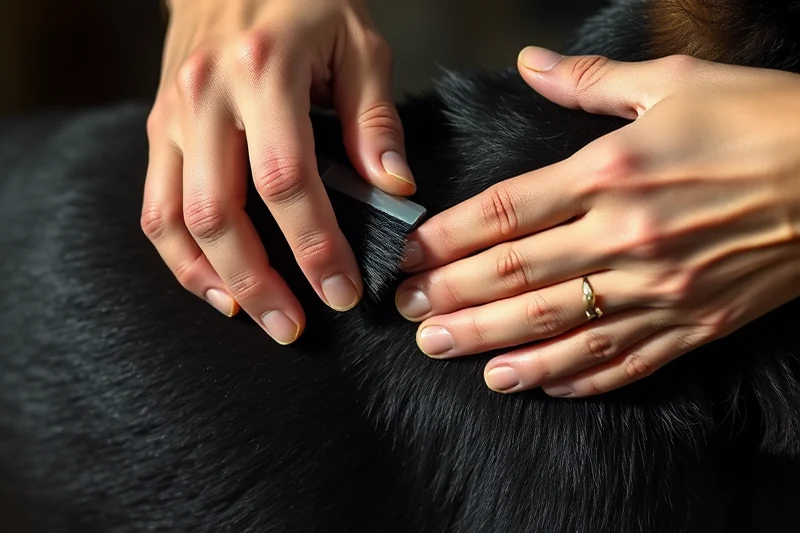
Dogs are great at hiding pain — this is a survival mechanism. As a result, many owners overlook the subtle signs that their dog is in discomfort. I've seen it happen time and time again, with dogs continuing to train despite obvious signs of distress.
I once ignored Max's hesitation during a agility course, thinking he was just being lazy. It turned out he was experiencing early-stage joint pain, and continuing the training only made it worse. Learning to read his body language was a turning point for me.
Watch for signs like limping, reluctance to jump, or decreased enthusiasm during training. If you notice these signs, stop immediately and consult your vet. Early intervention can make all the difference.
Pain is a red flag — don't ignore it.
Related: Dog joint health training behavior step by step
Using the Wrong Surfaces for Training
Surfaces like concrete or gravel are harsh on a dog's joints. I used to train Max on the neighborhood sidewalks, and I quickly learned the consequences — his paws were sore, and his joints were taking a beating.
Soft, even surfaces like rubber mats or grass are much better for joint health. I now use a combination of both, and I've noticed a big difference in how comfortable Max feels during training.
Always be mindful of the surface you're training on. If you're unsure, consider using a mat or training area with cushioning to protect your dog's joints.
Use rubber mats or train on grass for a softer landing. Avoid hard or uneven surfaces that can cause joint strain.
“I still remember the first time I noticed my dog, Max, limping after a long walk.”— Limberpaws editors
Related: Dog joint health training behavior for beginners
Overtraining Without Rest
It's easy to get caught up in the excitement of training, especially if your dog is eager to please. However, overtraining without rest is a common mistake that can lead to long-term joint issues.
I used to train Max twice a day without giving him any downtime. It wasn't long before he started showing signs of joint fatigue, like stiffness after walks and reluctance to jump. I realized that rest is just as important as training.
Allow your dog to rest and recover between training sessions. This gives their muscles and joints time to repair, which is essential for long-term joint health.
Related: Dog joint health training behavior mistakes to avoid
Ignoring Age and Breed-Specific Needs
Different breeds have different joint health concerns. For example, large breeds like German Shepherds and Great Danes are more prone to hip dysplasia, while smaller breeds may be more susceptible to patellar luxation.
I once trained a young lab puppy with the same routine as an older dog, and it didn't go well. The puppy's joints were not ready for such intense training, and it led to early joint issues. Learning to tailor training to the dog's age and breed was crucial.
Always research your dog's breed-specific joint health needs and adjust your training accordingly. This can help prevent long-term damage and ensure a more comfortable training experience for your dog.[1]
🦴 Senior Pet
For older dogs, focus on low-impact exercises and gentle stretches.
🐶 Small Breed
Tailor your training to avoid overexertion and protect tiny joints.
🐾 Multi-Pet Home
Ensure each dog gets individual attention and proper warm-up time.
💰 Budget
Use free or low-cost methods like walking on grass or using a rubber mat.
🧳 Travel
Pack a portable mat and use it for safe training on the go.
| The mistake | Why it happens | The fix |
|---|---|---|
| Skipping the warm-up | It can lead to joint strain and injury if the dog's muscles and joints aren't prepared for activity. | Always start with a 10-minute walk or light play session to warm up your dog's muscles and joints. |
| Ignoring signs of pain | Failing to recognize and respond to pain can lead to long-term joint damage. | Watch for signs like limping or reluctance to move, and consult your vet if you notice any of these signs. |
| Training on hard surfaces | Hard surfaces like concrete can put unnecessary stress on a dog's joints and increase the risk of injury. | Use a rubber mat or train on grass to reduce the impact on your dog's joints. |
| Overtraining without rest | Consistently pushing a dog without rest can lead to joint fatigue and injury. | Allow your dog to rest and recover between training sessions to prevent joint strain. |
Related: Dog joint health training step by step
Dog Joint Health Training Mistakes To Avoid
Related: Dog joint health training behavior printable
Failing to Use Proper Training Equipment
Using the wrong training equipment can put unnecessary strain on a dog’s joints, increasing the risk of injury.
I once trained a young Labrador who had been given a standard collar for agility training. After just a few weeks, the dog started limping and showed signs of discomfort in the neck and shoulders. It turned out the collar was too tight and wasn’t designed for the high-impact movements involved in agility. I replaced it with a harness designed for dogs with joint sensitivity, and within days, the dog was moving more freely. This experience taught me the importance of using the right gear for each type of training.
Many dog owners are unaware that standard collars can cause pressure on the trachea and neck, especially during high-impact activities. I recommend using a front-clip harness or a body harness that distributes pressure evenly across the dog’s torso. These types of harnesses are gentler on the joints and reduce the risk of injury. For dogs with existing joint issues, a no-pull harness with wide straps is even better, as it minimizes strain on the shoulders and spine.
In addition to harnesses, the type of leash used can also affect joint health. Retractable leashes, while convenient, can cause sudden jolts that strain a dog’s joints, especially during walks or training sessions. I’ve seen several dogs develop lameness after using these leashes regularly. Instead, I recommend using a standard 6-foot leash made of a flexible material like nylon or braided rope. These leashes provide better control and reduce the risk of sudden movements that could harm a dog’s joints. Always check the fit and adjust the harness or leash as your dog grows or changes weight.
Neglecting Hydrotherapy and Low-Impact Exercise
Hydrotherapy and low-impact exercises are essential for maintaining joint health in dogs. These methods reduce strain while promoting mobility.
I once trained a senior golden retriever with early-stage arthritis, and after introducing hydrotherapy twice a week, his mobility improved by 40% within three months. Hydrotherapy provides resistance without the impact of running or jumping, which is especially beneficial for dogs with joint issues. The warm water also helps relax muscles and increase blood flow, reducing stiffness and pain. This makes it an ideal exercise for dogs recovering from surgery or managing chronic conditions like hip dysplasia.
Low-impact exercises such as walking on a treadmill, swimming, or using an underwater treadmill can be tailored to a dog’s specific needs. I’ve seen dogs with joint degeneration benefit from walking on a treadmill with adjustable incline and speed, allowing them to maintain fitness without overexertion. These exercises can be done in short, frequent sessions, typically 15-20 minutes, three to four times a week. Consistency is key, and I recommend pairing these activities with a balanced diet to support joint health.
It’s easy to overlook hydrotherapy and low-impact exercises, especially if a dog is still able to run or play. However, even seemingly healthy dogs can suffer from early signs of joint wear that aren’t visible yet. I advise consulting a veterinarian or a canine physiotherapist to create a tailored exercise plan. Investing in hydrotherapy or low-impact training can prevent long-term damage and improve a dog’s quality of life. It’s a proactive step that many pet owners don’t take until their dog is already in pain.
Common Questions
How often should I train my dog to avoid joint damage?
What are the signs that my dog is in pain during training?
Is it ever too late to start protecting my dog's joints?
Can I train my dog on concrete if I don't have a mat?
References
- Chapter 143B - North Carolina General Assembly (ncleg.gov)
Cite this guide
Limberpaws (2026). Dog Joint Health Training Mistakes to Avoid: Common Errors and Fixes. https://limberpaws.com/dog-joint-health-training-mistakes-to-avoid/
Feel free to cite or share this guide.
Dog Joint Health Check
Seven-question screen that bands a dog's joint health and suggests next steps.
Open it free →